As a 90’s kid, Pokémon holds a special place in my heart. I got my first Gameboy Yellow when I was 9 and my only memories from that summer were playing Pokémon Blue, and then later Gold, over and over at my day camp.
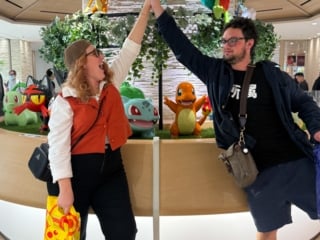
My husband is also a huge fan, and it’s one of the ways we first bonded when we met. So, when we traveled Japan this past autumn, we didn’t just visit Pokémon Centers to stock up on Japanese Holographic cards (real ones know), but we also tired to find as many Pokémon places in the real world that we could.
If you’re visiting Japan, or are simply curious, here are the real-world places in Japan that inspired Pokémon cities, regions, and legendary storylines.


Pokémon Japan Travel Guide
Pokémon didn’t just invent its regions out of thin air. Many of the cities, temples, caves, and landscapes across the games were directly inspired by real places in Japan.
This list focuses on the most iconic, easiest, and most fun Pokémon-inspired places to actually visit, not obscure trivia or locations that only make sense if you’ve read a wiki for an hour.
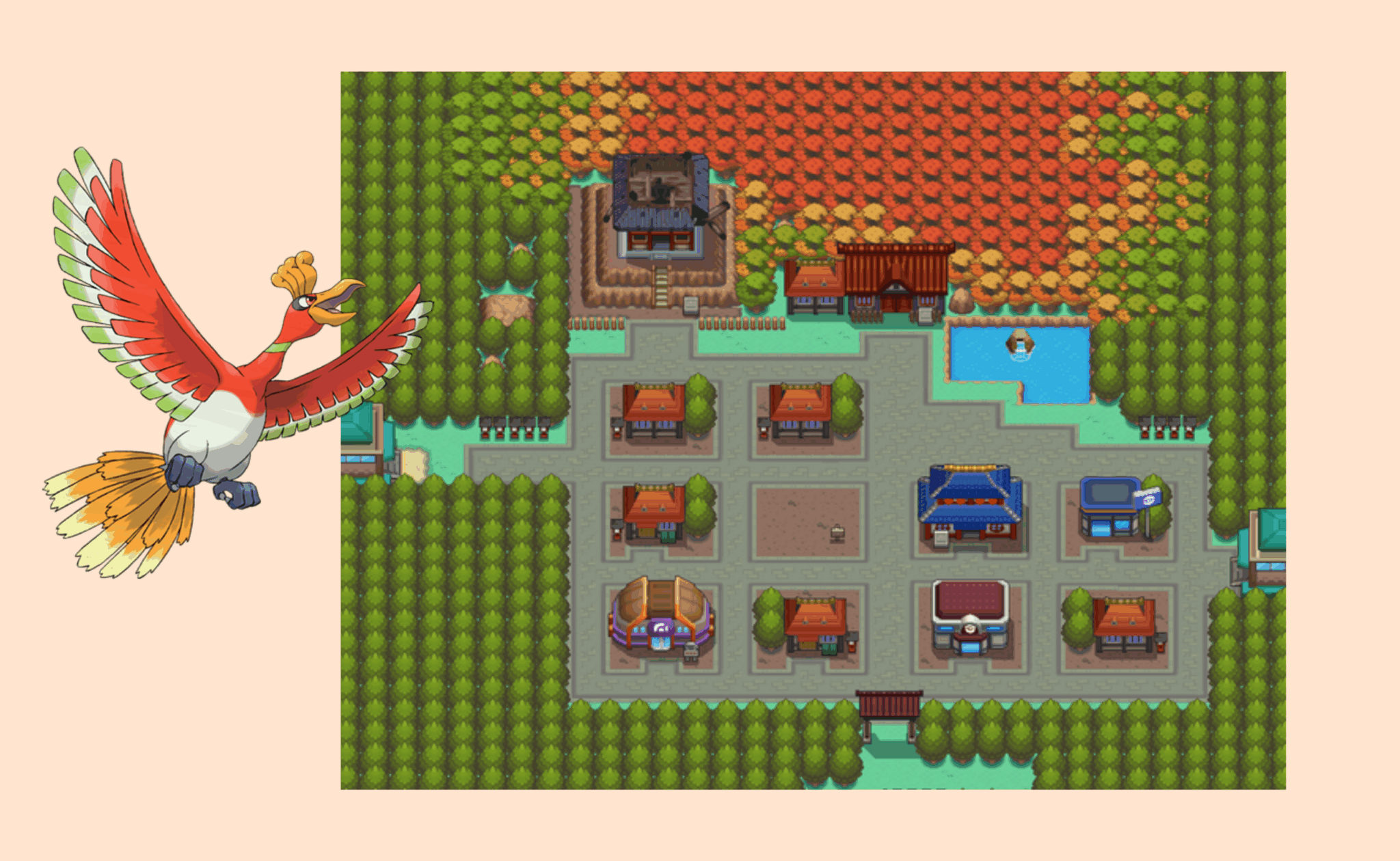
Ecruteak City And The Legend Of Ho-Oh Is Kinkaku-ji (Kyoto)
This is the single most important Pokémon location in Japan if you played Pokémon Gold and Silver.
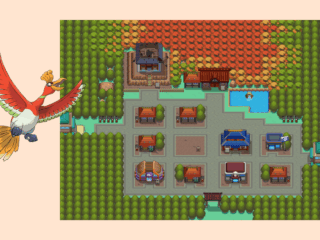
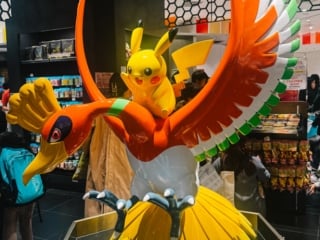
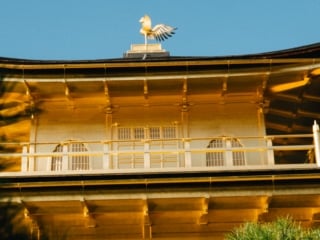
Kinkaku-ji, also known as the Golden Pavilion, literally has a golden phoenix statue perched on top of the temple, which is where Ho-Oh’s design and mythology come from. In the games, Ho-Oh resurrects Pokémon after a great fire. In real life, Kinkaku-ji famously burned down and was later rebuilt.
Robin and I gasped out loud when we saw the gold phoenix statue on top of the pavilion and felt like we were 9 again. It’s hands down one of the top Pokémon attractions in Japan for fans.
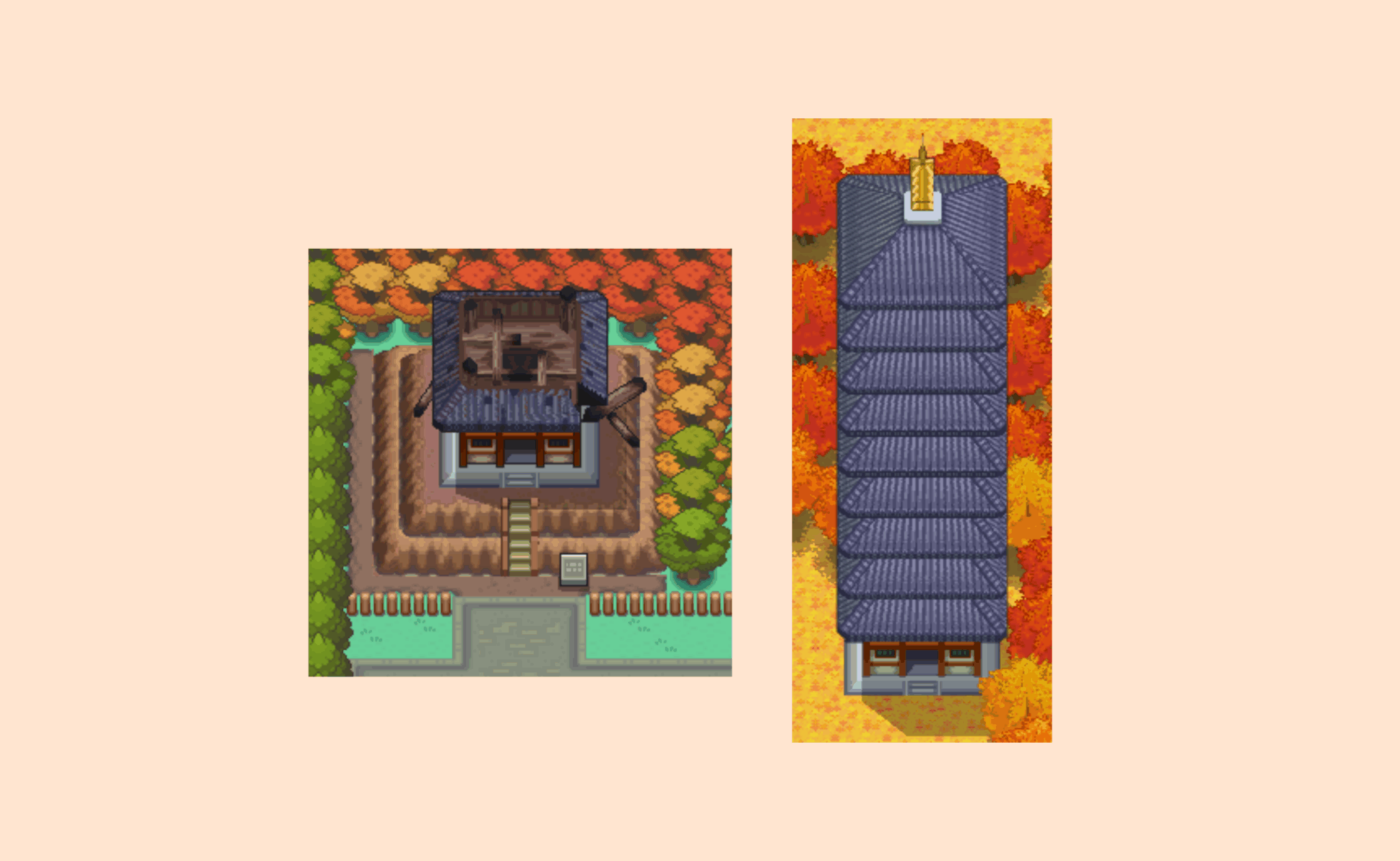
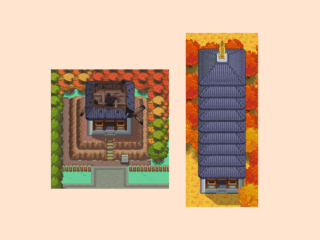
The Burned Tower And Bell Tower Is Tō-ji (Kyoto)
Tō-ji reinforces the Burned Tower and Bell Tower lore from Ecruteak City, which is a short drive from the Golden Pavilion where the real Ho-Oh sits on the roof.
Its massive pagoda and long history make it easy to see how Pokémon designers pulled inspiration from Kyoto’s temple skyline when building Johto’s mythology. If you’re already in Kyoto, this fits naturally into your sightseeing route.
It’s a short walk from Kyoto station and one of our favorite stops on our 5 days in Kyoto. Robin and I had such a blast visiting this 5 story temple. Unlike many historic temples, you are actually allowed to enter the bottom of Tō-ji! It really helped me picture what it was like for Ash and Pikachu to climb the floors of various temples, battling ghost Pokémon.
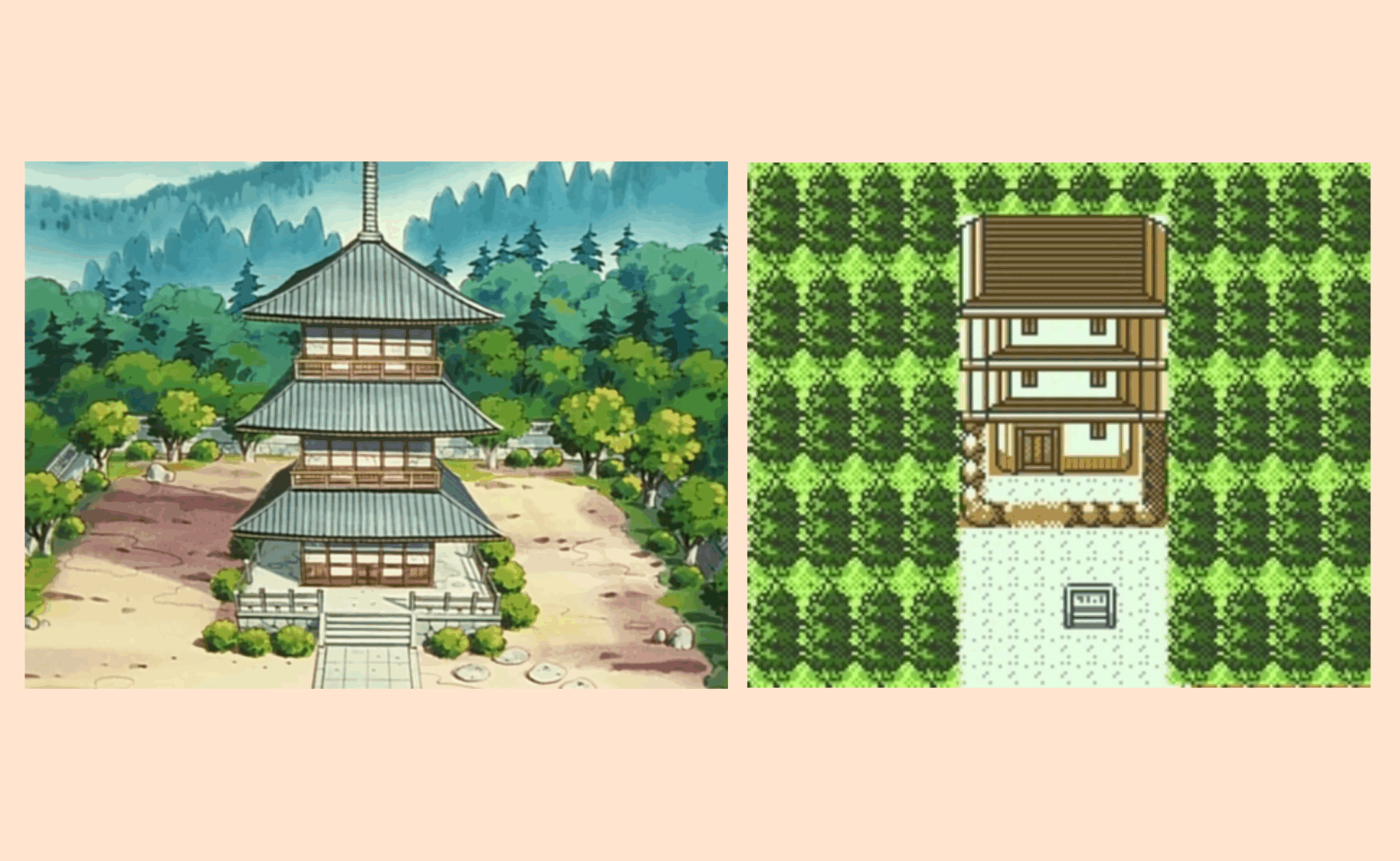
Sprout Tower’s Real-World Inspiration Is Kōfuku-ji (Nara)
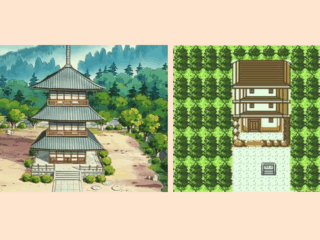
Kōfuku-ji is one of the strongest real-world inspirations for Sprout Tower in Pokémon Gold and Silver.
The tall wooden pagoda, spiritual training energy, and historic presence line up perfectly with Violet City’s early-game experience. Nara itself feels ancient in a quiet, grounded way that mirrors Pokémon’s educational and spiritual themes.
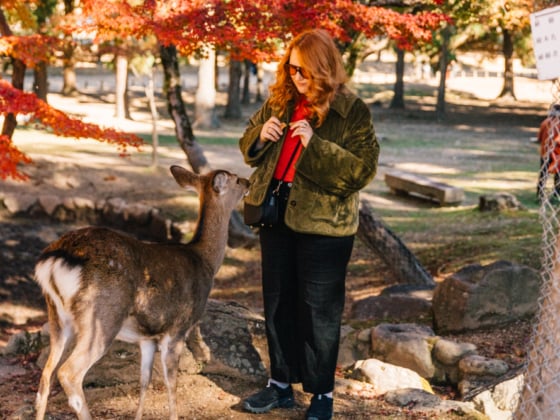
This is also an easy day trip from Kyoto or Osaka. We loved doing a day trip to Nara Deer Park to feed the deer and were looking forward to seeing the real-life Sprout Tower but it’s under renovation until 2031.
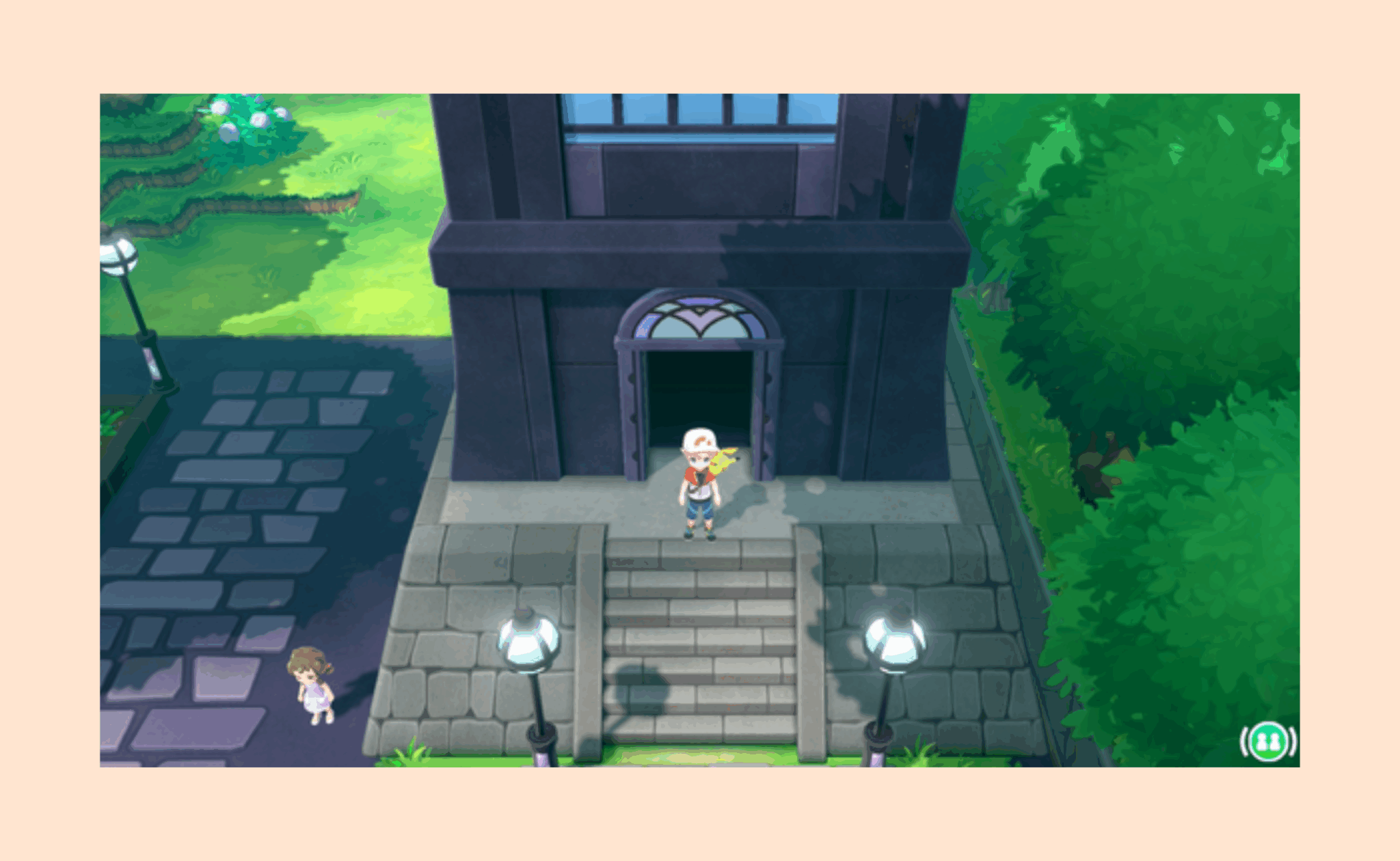
Lavender Town In Real Life Is Ushiku Daibutsu
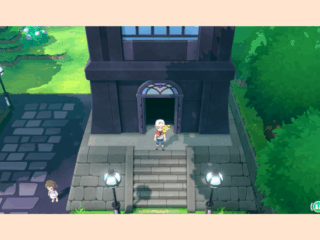
Ushiku Daibutsu gives strong Lavender Town and Pokémon Tower vibes.
It’s one of the tallest Buddha statues in the world, surrounded by memorial grounds and quiet walking paths, giving inspiration to the Pokémon Tower which has the graves of many Pokémon.
Ushiku also is home to Ushiku Jyoen, a large scale graveyard to pets, which is another reason why Lavender Town has ghost Pokémon. This one hits emotionally more than visually, which makes it especially memorable.

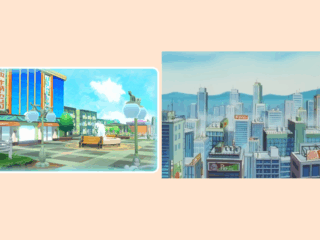
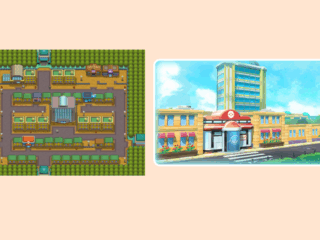
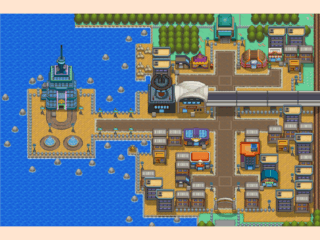
Goldenrod City is Osaka
Goldenrod City is Johto’s largest and most urbanized city. Its Radio Tower, department store, underground passages, and Magnet Train station define the skyline and give it nonstop momentum.
That energy matches Osaka almost exactly.
Osaka is Japan’s third-largest city and a major commercial center, known for its skyscrapers, shopping districts, and vibrant nightlife. Neighborhoods like Dōtonbori and Umeda reflect Goldenrod’s mix of entertainment, retail, and everyday chaos in the best way.
Goldenrod City always felt louder, brighter, and more alive than other Johto towns, and Osaka carries that same casual, friendly, slightly chaotic charm. It’s the kind of place where everything is happening at once, which is exactly how Goldenrod feels when you play through it.
Tokyo And The Real-World Kanto Region
Tokyo doesn’t map to just one Pokémon city. Instead, it acts as the real-world foundation of the Kanto region, with different neighborhoods inspiring different in-game cities like Saffron City, Celadon City, and Vermilion City.
Once you know that, walking around Tokyo starts to feel surprisingly familiar.
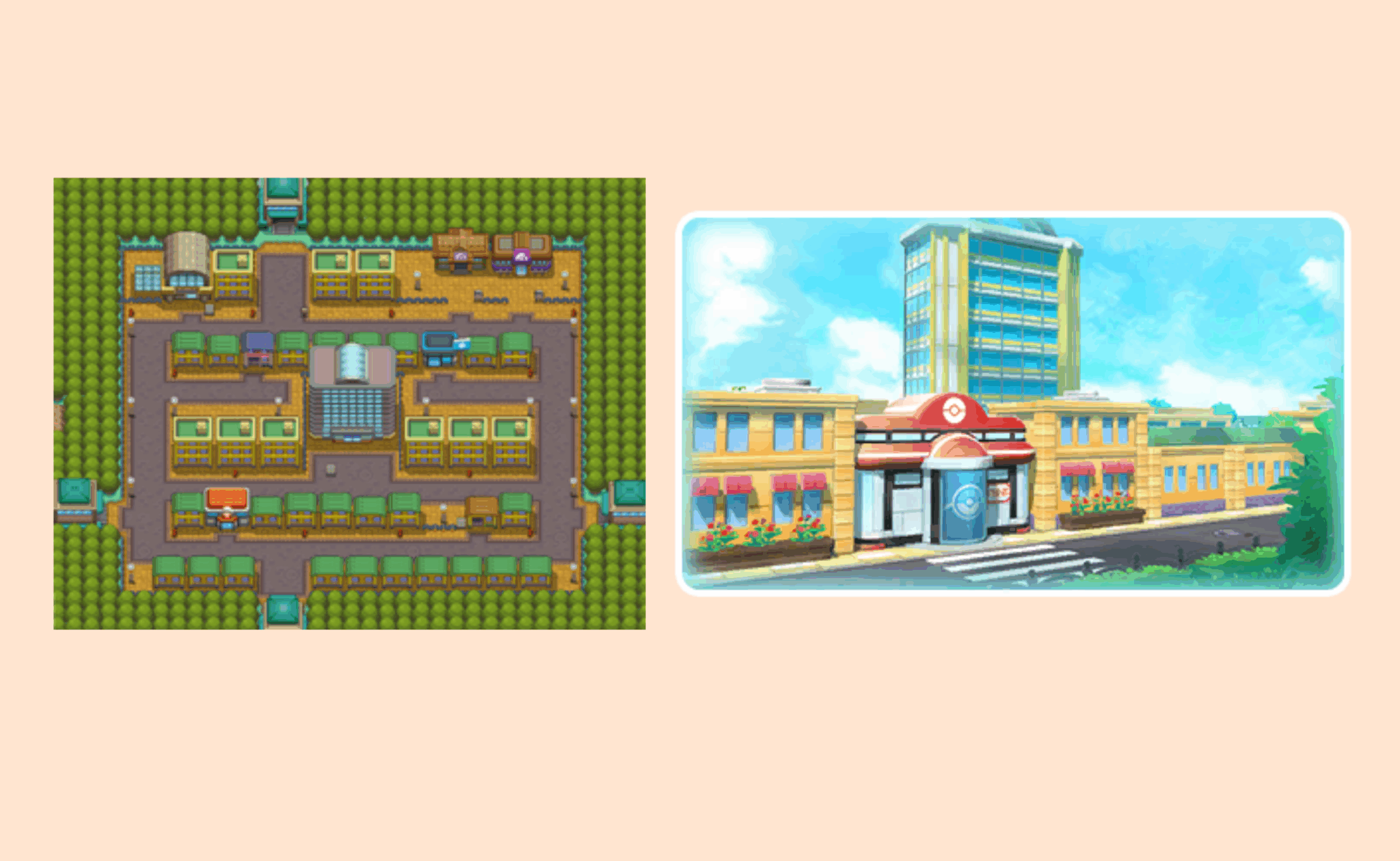
Saffron City is Shinjuku (Tokyo)
Shinjuku feels like stepping into a late-game Pokémon city.
It’s dense, business-focused, neon-lit, and chaotic in a controlled way. If Silph Co. existed in real life, it would feel right at home here. Side note, Shinjuku was one of my favorite places to visit in Tokyo, when you stop by make sure to grab a drink in Golden Gai.
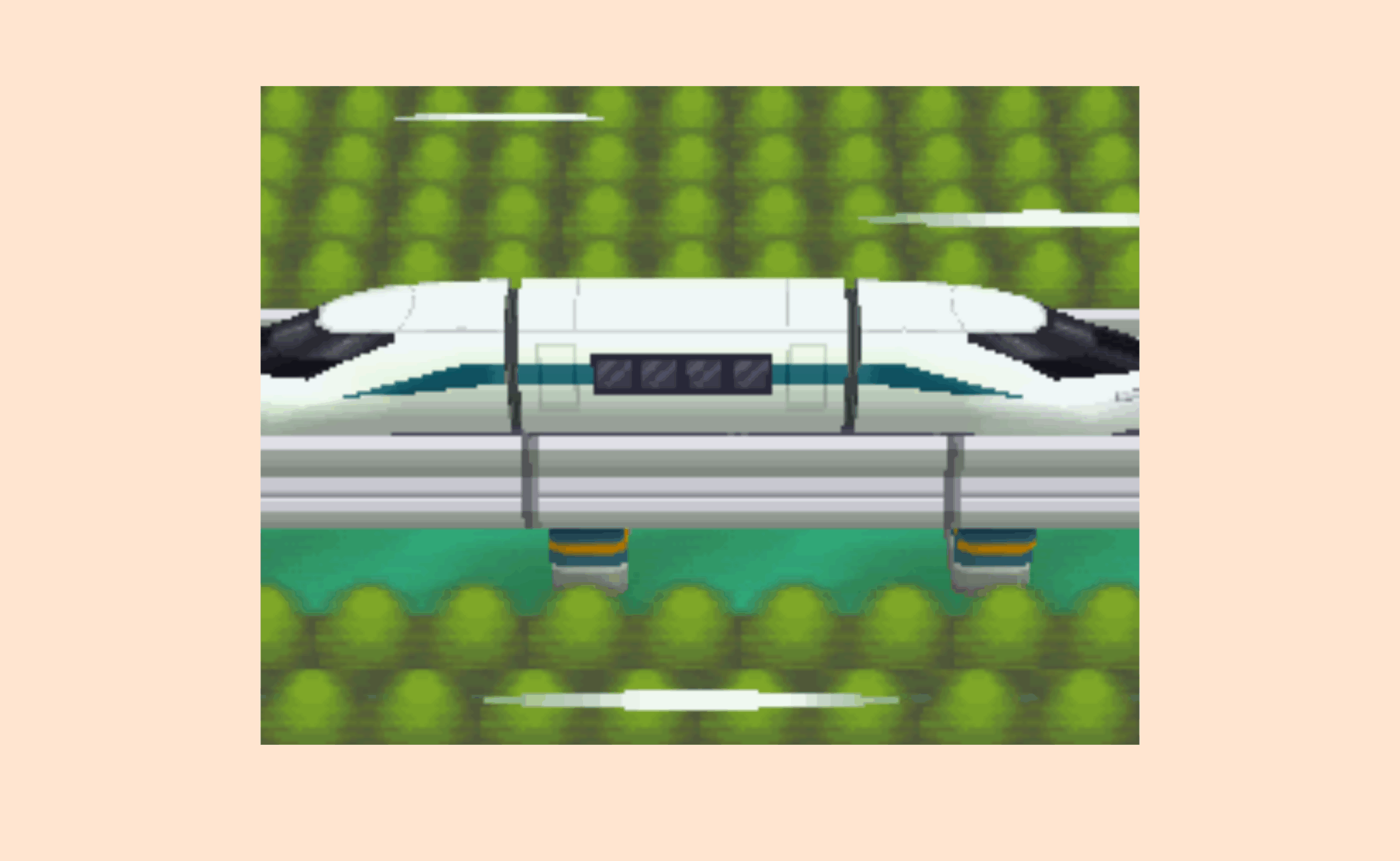
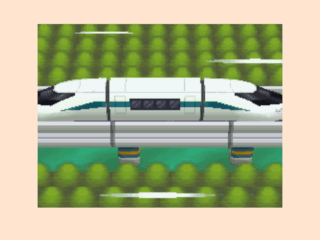
Magnet Train Station Connects Tokyo Station And Osaka
One detail longtime Pokémon fans often overlook is the Magnet Train station in Saffron City, which is widely understood to be inspired by Tokyo Station. It connects to Goldenrod City, which is Osaka.
Saffron City functions as Kanto’s major business and transit hub, and Tokyo Station plays that exact role in real life. It’s the central point for long-distance travel across Japan, including Shinkansen bullet trains, regional rail lines, and underground connections.
The idea of hopping on a high-speed train from Saffron City to Goldenrod City mirrors how Tokyo Station connects eastern Japan to major cities like Osaka and Kyoto. Even though the Magnet Train itself is fictional, the concept of Saffron City as a rail powerhouse clearly pulls from Tokyo’s transit culture.
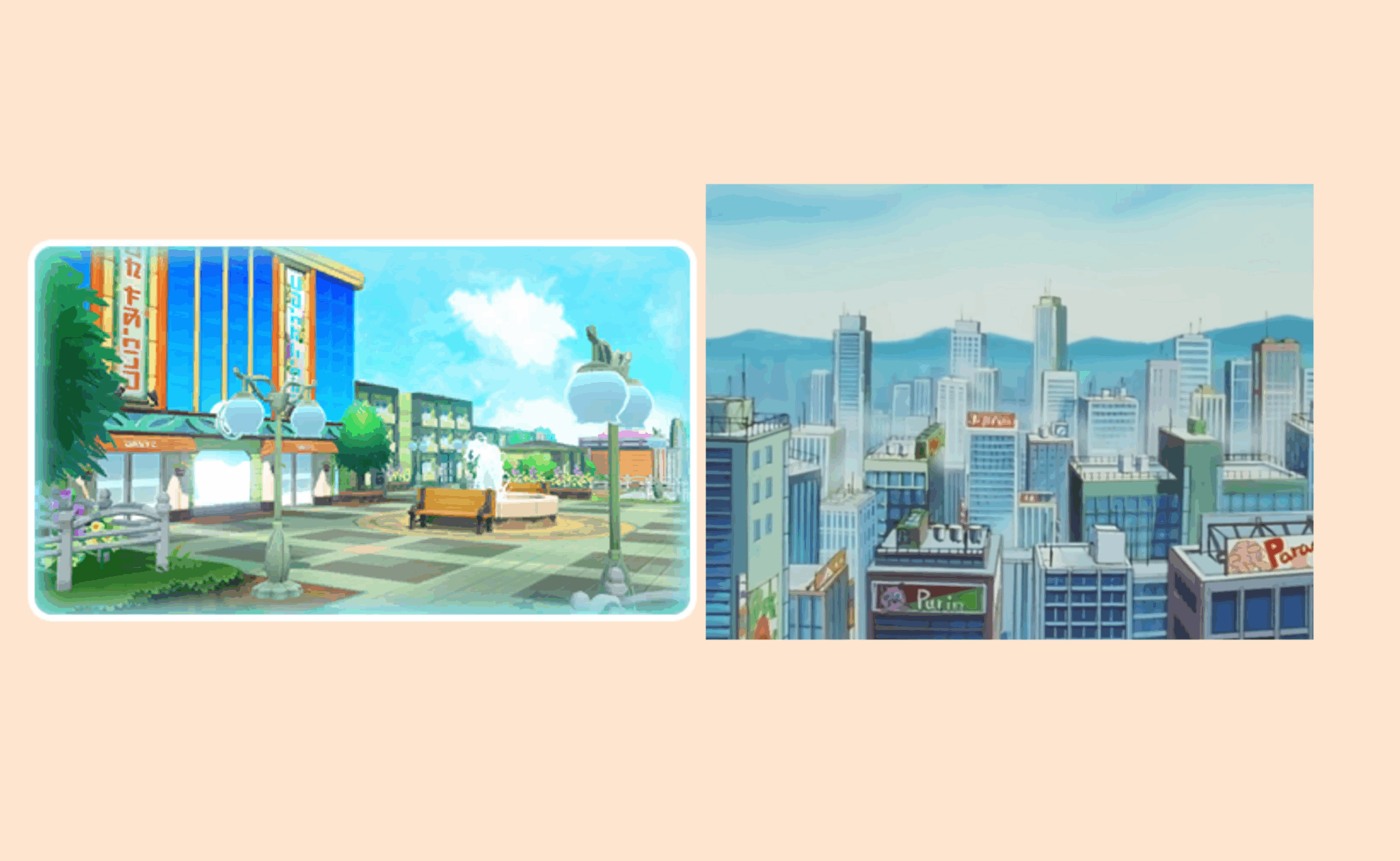
Celadon City is Shibuya (Tokyo)
Celadon City is all about shopping, culture, and movement, and Shibuya nails that vibe perfectly.
The Shibuya Crossing alone feels like a Pokémon overworld animation come to life. Add department stores, fashion culture, and nonstop energy, and the connection feels immediate.

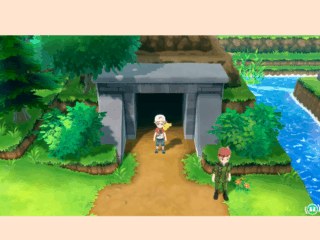
Cerulean Cave is Ōya History Museum (Tochigi)
This underground quarry turned museum looks exactly like a real-world Cerulean Cave.
Massive stone walls, echoing chambers, and moody lighting make it feel like you’re about to encounter something powerful at the end. It’s an easy day trip from Tokyo and wildly underrated.
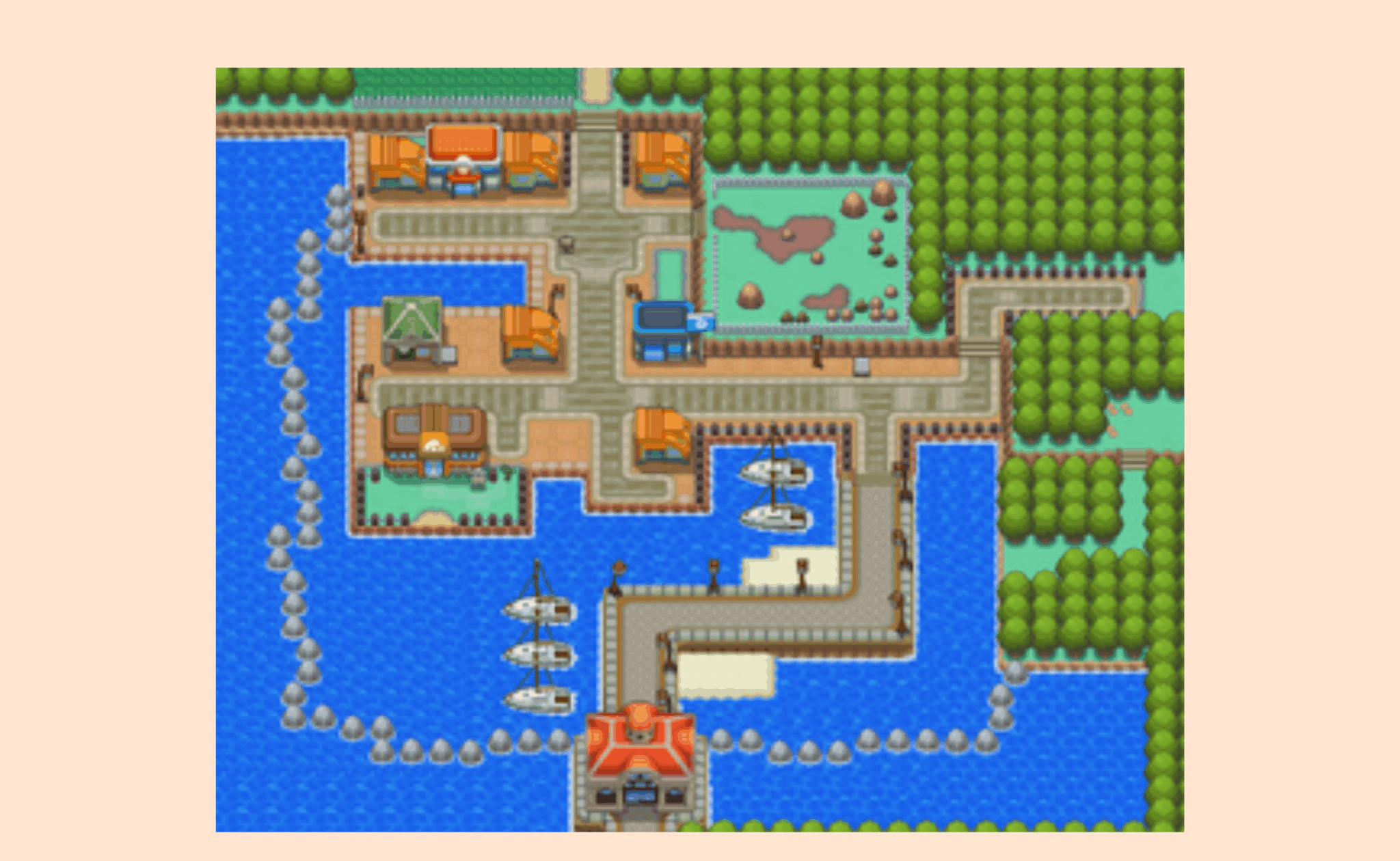
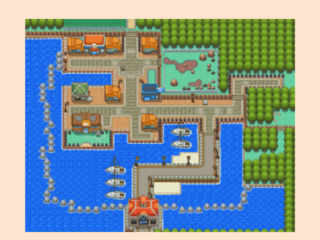
Vermilion City Is Yokohama (Kanagawa)
Vermilion City has always been Pokémon’s major port, and Yokohama fits that role perfectly.
It’s modern, international, and built around the harbor. Even The Pokémon Company has leaned into this connection, using Kanto-era imagery for events hosted here.
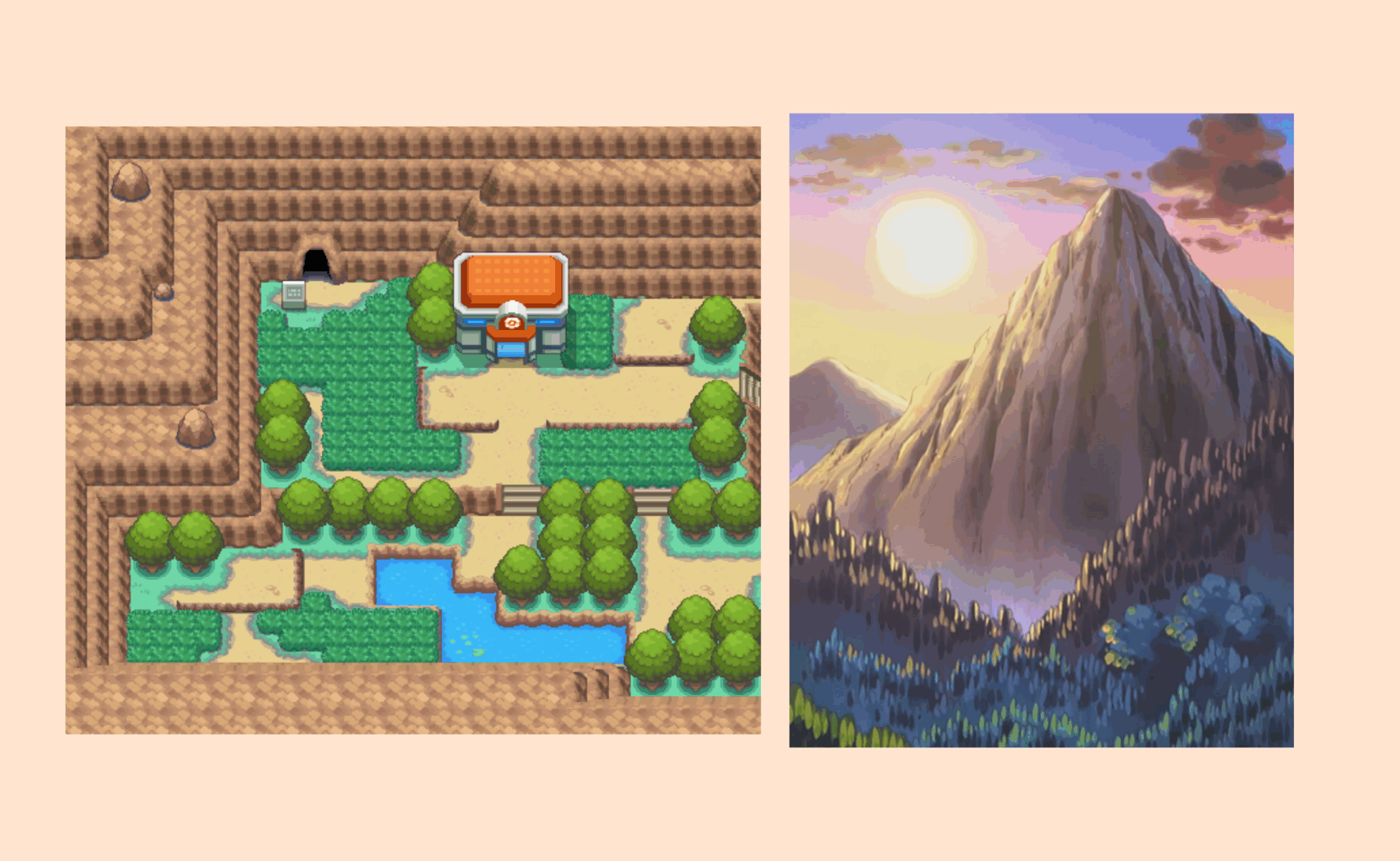
Mt. Silver is Mount Fuji
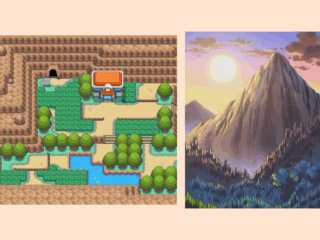
Mount Fuji represents Mt. Silver in both symbolism and scale. You don’t need to climb it to feel the impact. Just seeing it in person carries the same end-game, reflective energy that made facing Red such a defining Pokémon moment.
If you’re looking for the best place to stay in Fuji Five Lakes Region, I recommend HOSHINOYA Fuji, we stayed here and had a room with a direct view of Mount Fuji!
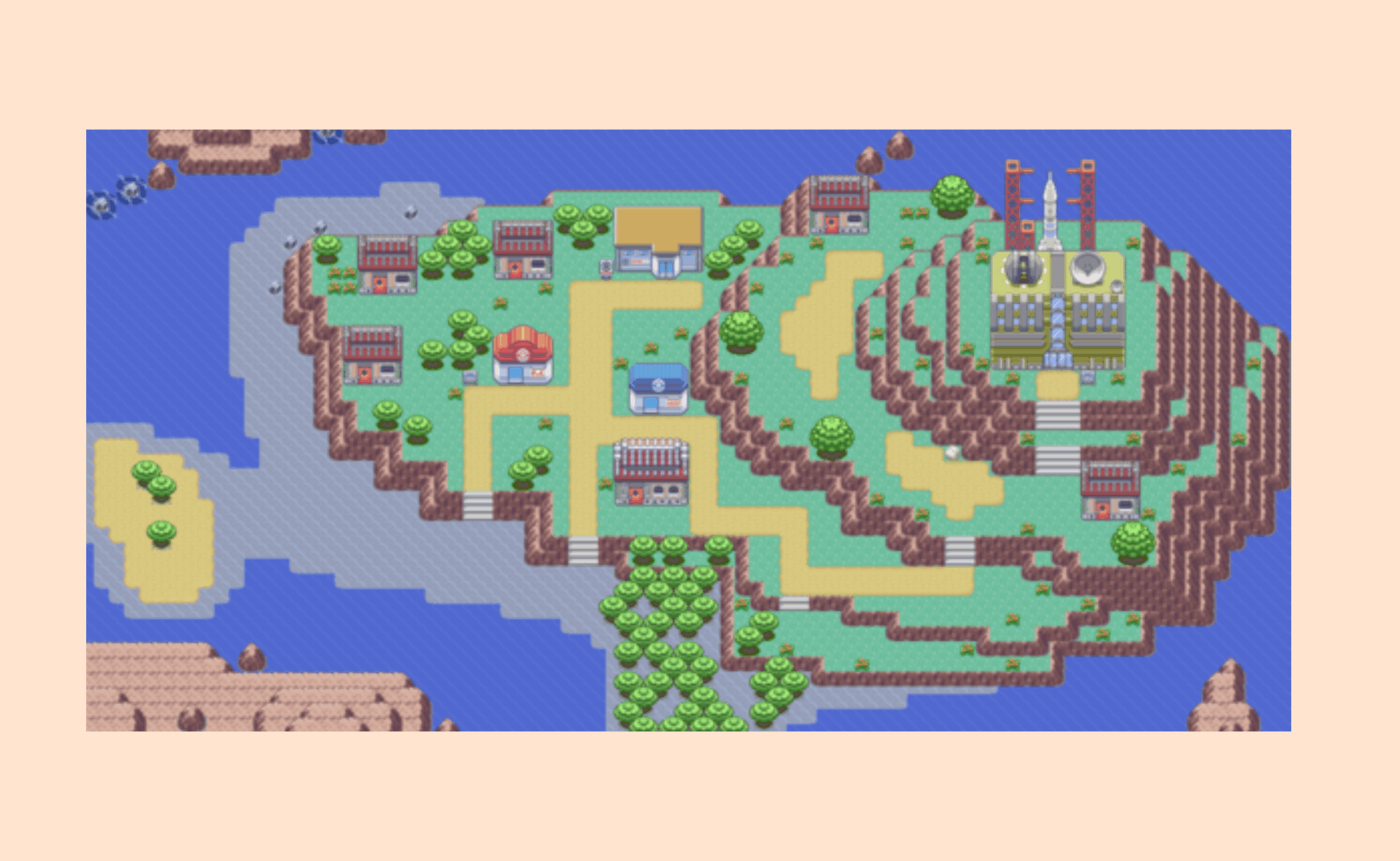
Mossdeep City is Tanegashima Space Center (Kagoshima)
The Tanegashima Space Center is the real-world inspiration for Mossdeep City and its Space Center in Pokémon Ruby and Sapphire.
This is one of the clearest Pokémon-to-real-world connections on the entire list.
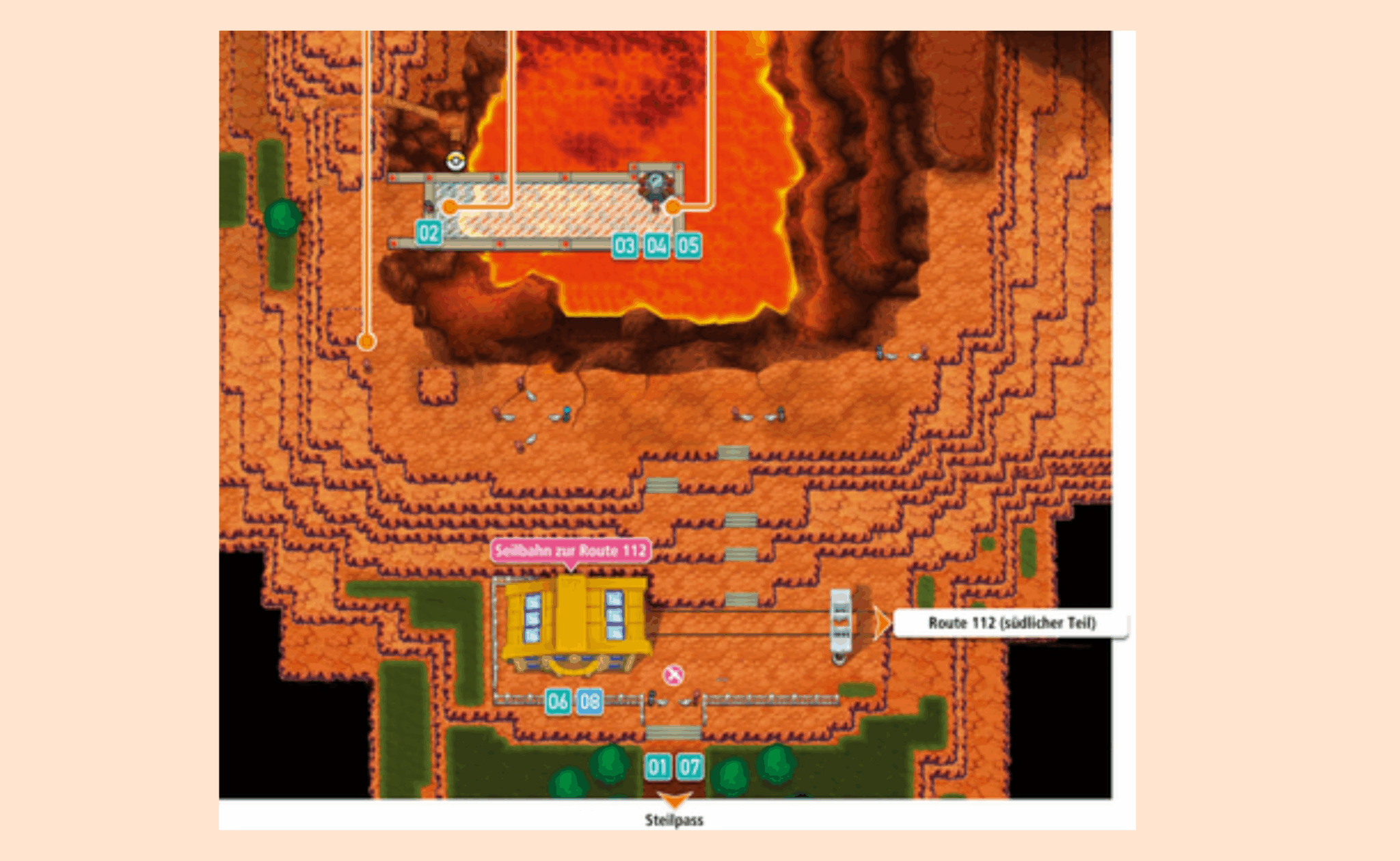
Mt. Chimney Is Mount Aso (Kumamoto)
Mount Aso is Mt. Chimney, full stop.
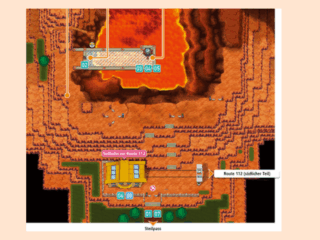
It’s dramatic, volcanic, and still active. Standing near the crater makes it obvious why Hoenn leaned so heavily into volcanic terrain and legendary lore.
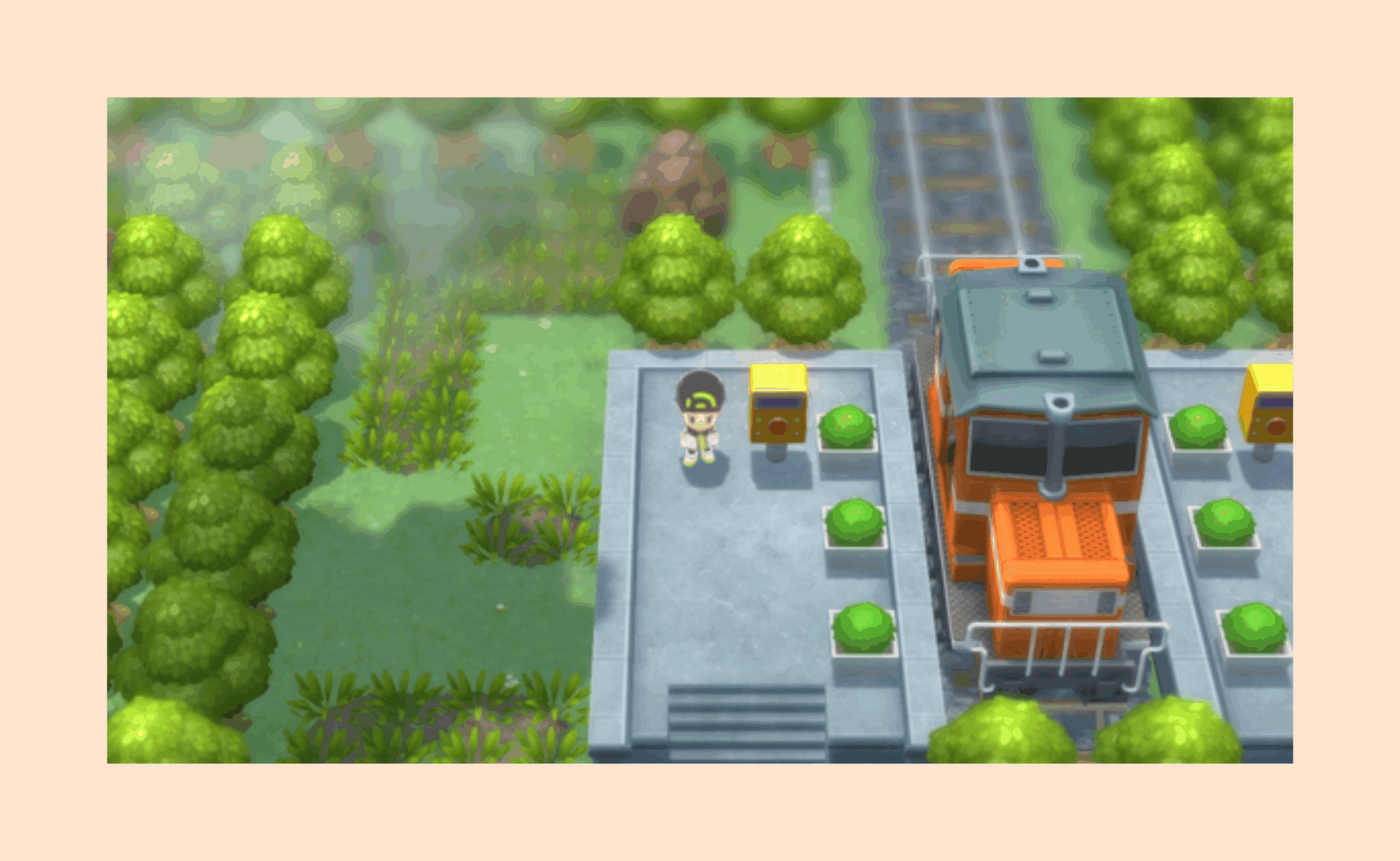
The Great Marsh Of Sinnoh is Kushiro Wetland (Hokkaido)
Kushiro Wetland is the real-world inspiration for the Great Marsh in Sinnoh.
Foggy, quiet, and expansive, it feels completely different from the rest of Japan. This is Sinnoh energy at its purest.
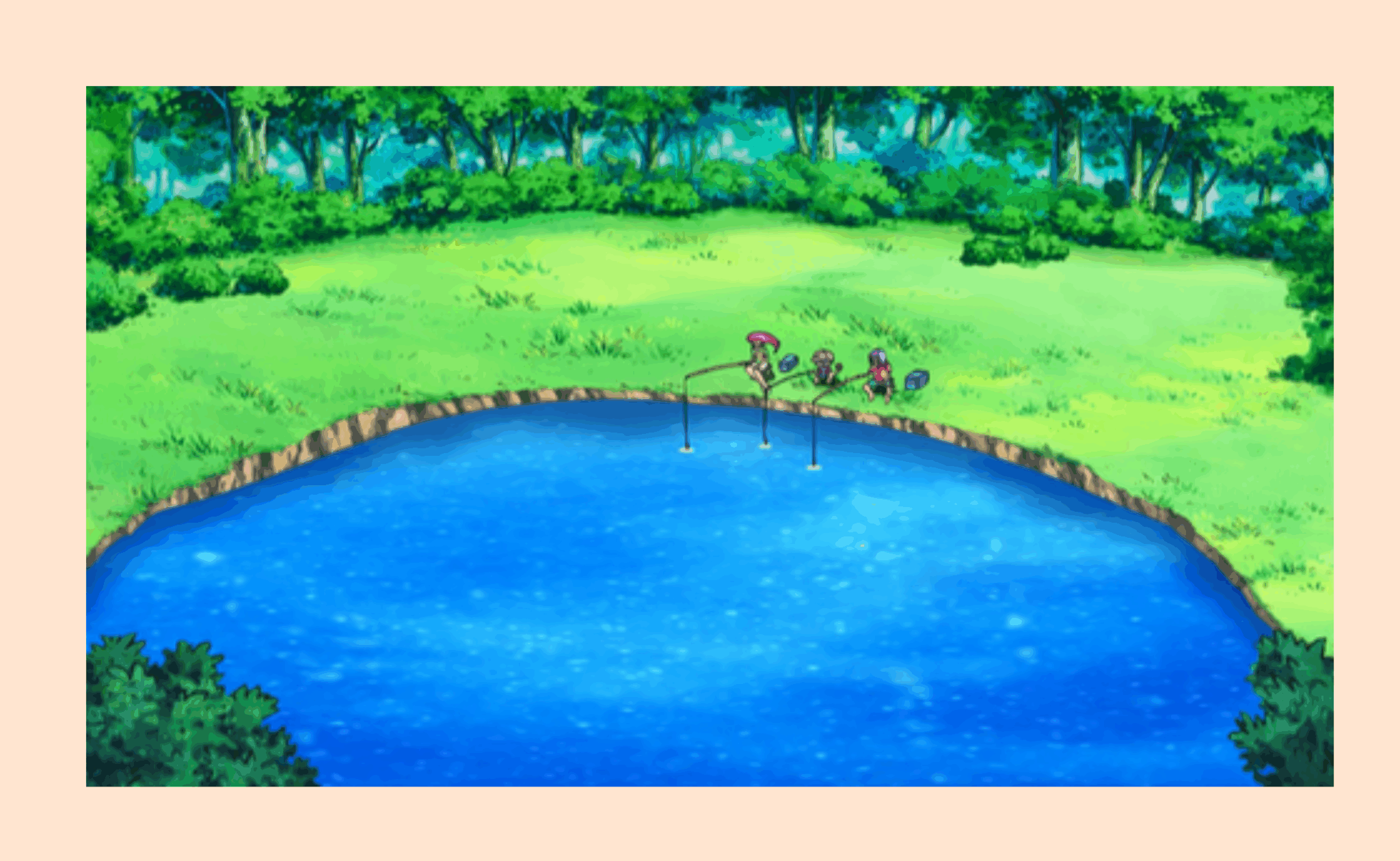
Lake Verity is Lake Tōya (Hokkaido)
Lake Tōya aligns closely with Lake Verity.
It’s a volcanic caldera lake with a calm, reflective atmosphere that fits Sinnoh’s lake mythology beautifully.
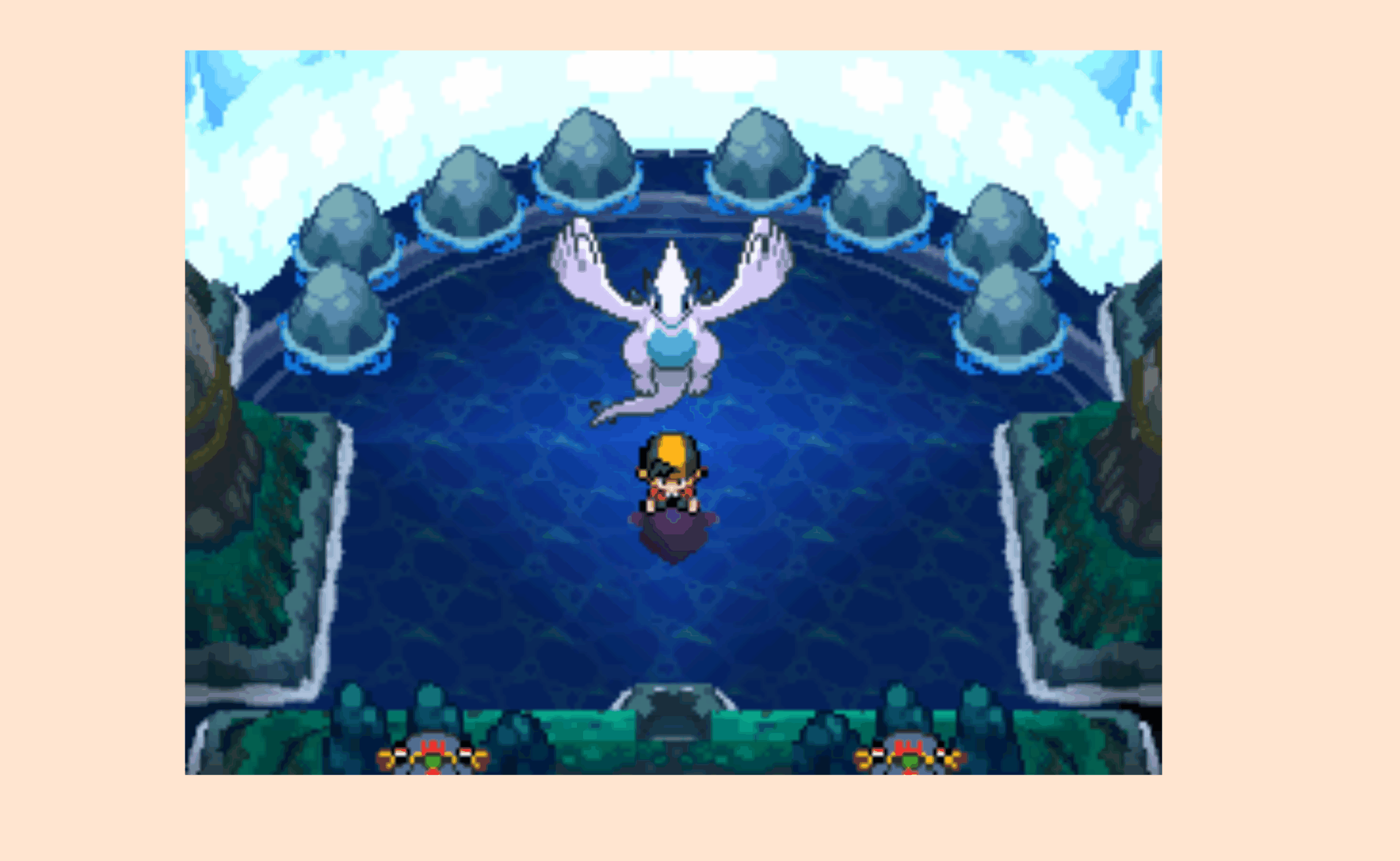
The Whirl Islands Are Awaji Island (Hyōgo)
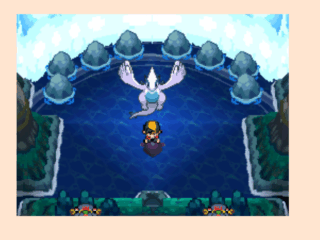
The Naruto whirlpools near Awaji Island are the real-world inspiration for the Whirl Islands.
Yes, the whirlpools are real, and yes, they’re dramatic. Lugia fans will absolutely appreciate this stop.
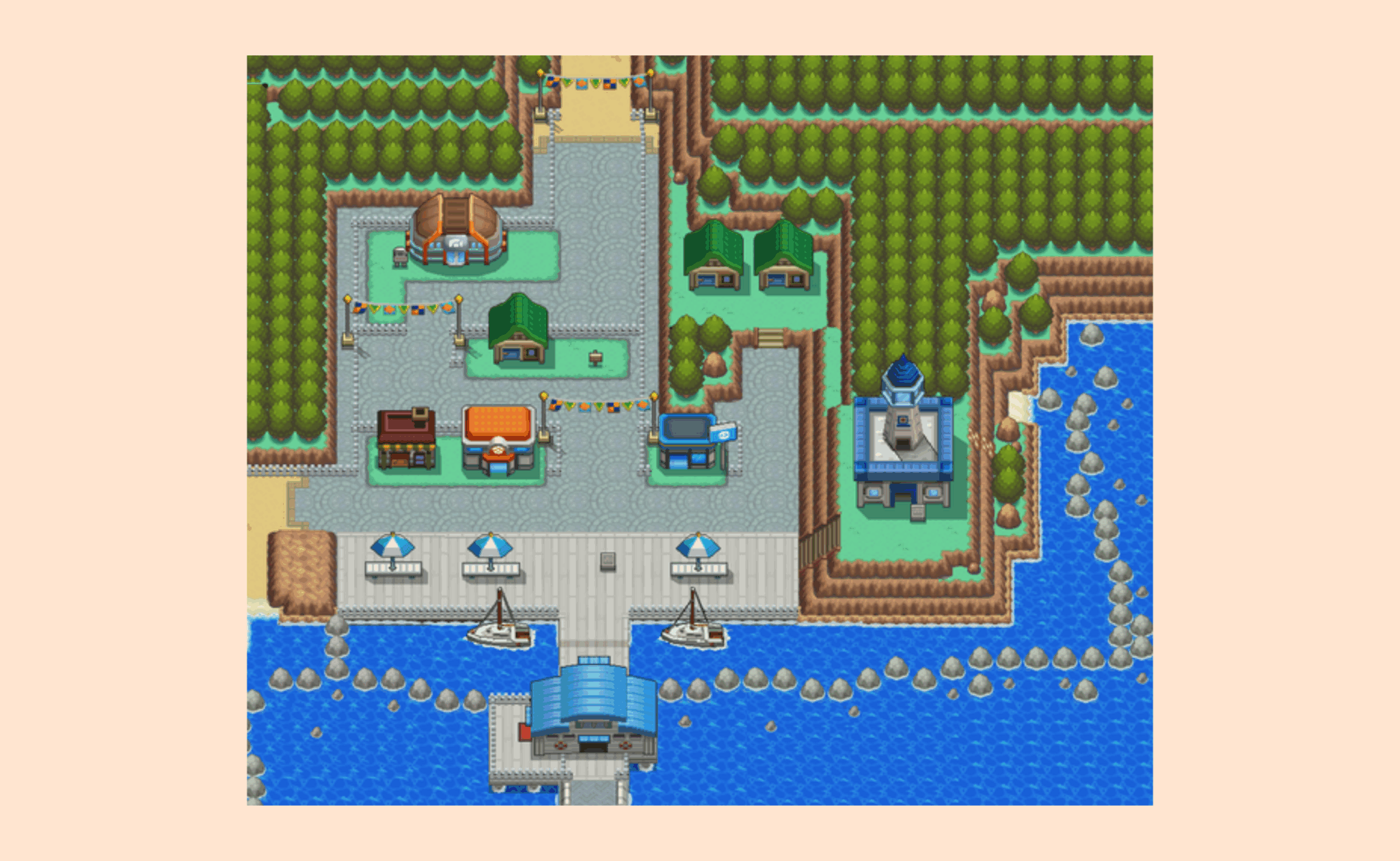
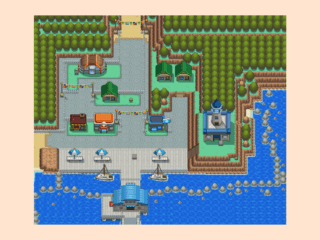
Olivine City In Johto Is Kobe
Olivine City is Johto’s coastal port, famous for its lighthouse and strong ties to the sea. It plays a key role in connecting Johto to other regions, both in gameplay and story.
That connection lines up almost perfectly with Kobe in real life. Kobe is a major port city in the Kansai region and was one of the first Japanese ports to open to international trade. Its maritime history, harbor views, and cosmopolitan feel mirror Olivine City’s role in the Pokémon world.
Olivine’s lighthouse, home to Ampharos, overlooks the ocean and guides ships safely to shore. That image draws a direct parallel to Kobe’s real-world waterfront and iconic port landmarks. Standing near the harbor in Kobe, it’s easy to picture Olivine City existing just offscreen.
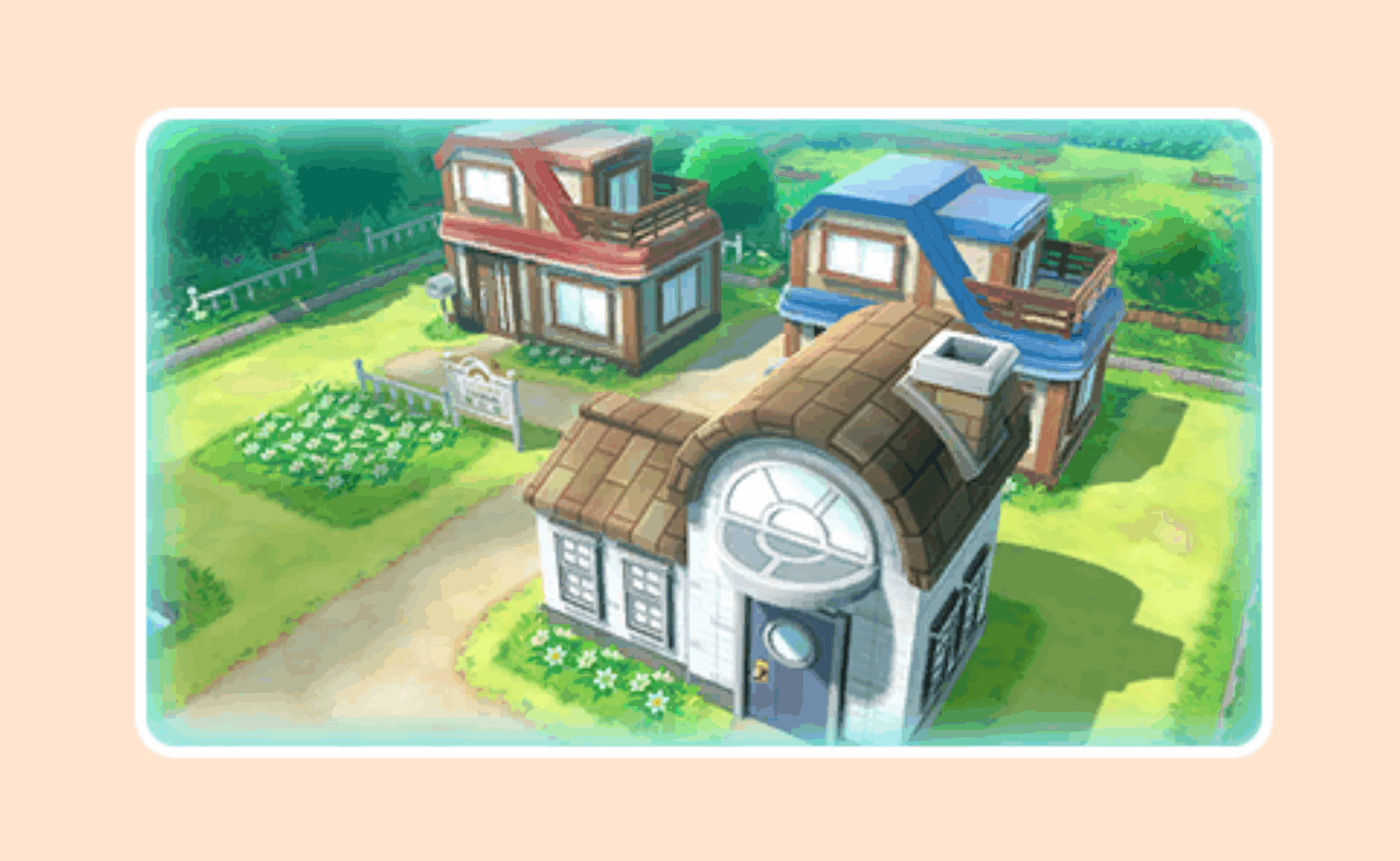
Pallet Town And Ash’s Origins Is Machida and Serigaya Park (Tokyo Suburbs)
Pallet Town is where Ash was born and where the Pokémon journey begins.
Its real-world inspiration comes from Machida and the surrounding green spaces, including Serigaya Park, where Pokémon creator Satoshi Tajiri grew up. The quiet residential streets, open nature, and slower pace line up with Pallet Town’s peaceful, beginning-of-the-adventure feel.
It’s a subtle location, but an important one for longtime fans.

Viridian City is Hakone and Mishima (Shizuoka)
Viridian City sits between Pallet Town and the wider world, acting as an early transition point between home and adventure.
That role mirrors the Hakone and Mishima area in real life, known for hot springs, mountain landscapes, and access routes toward Mount Fuji. The forests, elevation changes, and resort-town energy reflect Viridian City’s position as a gateway into more challenging terrain.


Pokémon Centers In Japan: Where To Go And What To Know Before You Shop
If you’re a real Pokémon fan, visiting a Pokémon Center in Japan isn’t optional. It’s a must.
There are Pokémon Centers located all over Japan, and while they all carry core merch, each location has slightly different stock, regional exclusives, and special editions. If you only go to one, you’re missing out.
On our trip, we visited four different Pokémon Centers specifically to stock up on special edition Pokémon playing cards, which are limited to five packs per customer at a time. That limit is enforced, so if cards are your priority, hopping between locations is genuinely worth it.
Pro tip: bring your passport for duty-free shopping. It adds up!
Pokémon Center Locations In Japan
Here’s where you can find official Pokémon Centers across the country:
Tokyo Area
- Pokémon Center Mega Tokyo – Ikebukuro (Sunshine City)
- Pokémon Center Shibuya – Shibuya
- Pokémon Center Tokyo DX – Nihonbashi
- Pokémon Center Skytree Town – Solamachi
Other Major Cities
- Pokémon Center Yokohama – Yokohama
- Pokémon Center Osaka – Osaka (Shinsaibashi)
- Pokémon Center Kyoto – Kyoto
- Pokémon Center Nagoya – Nagoya
- Pokémon Center Sapporo – Sapporo
- Pokémon Center Sendai – Sendai
- Pokémon Center Kanazawa – Kanazawa
- Pokémon Center Hiroshima – Hiroshima
- Pokémon Center Fukuoka – Fukuoka
- Pokémon Center Okinawa – Okinawa
- Pokemon Store – Narita Airport
My Favorite Pokémon Center (And Why)
If I had to pick just one, Pokémon Center Mega Tokyo in Sunshine City is my favorite.
It’s the largest location, the layout is easy to browse, and the stock turnover felt better than some of the smaller stores. That said, every Pokémon Center is a little different, and we noticed that certain card packs, plushies, and special items were available at one location but already sold out at another.
For serious fans, it’s absolutely worth visiting multiple Pokémon Centers, especially if you’re hunting limited-edition items.
If Pokémon merch is even remotely a priority on your trip, plan your route so you naturally pass by more than one Pokémon Center. It turns shopping into a mini scavenger hunt, and honestly, that’s part of the fun.


I hope this helps you nerd out and find Pokémon places in Japan!! If you want to get super detailed, you can find a full list of all the real world Pokémon places around the globe on this Bulbapedia page.
Let me know in the comments if you have a favorite spot I should add to this article!