I visited Kyoto for the first time in November 2025, right in the middle of fall foliage season, and I had a feeling before we even landed that this was going to be the city I connected with most on our Japan trip. That instinct ended up being right.
My friend Amy put together a Kyoto itinerary for our group, but we treated it more like a loose framework than a rulebook. Some days we followed it closely. Other days we ditched parts of it based on crowds, weather, or how tired our legs were after walking 10+ miles.
This 5 day Kyoto itinerary reflects what we actually did, not an idealized version of how the days were supposed to go. I’m sharing what felt worth the time, what I’d happily repeat, and what I’d change if I were visiting Kyoto for the first time again.
If you’re trying to decide between a 3 day Kyoto itinerary or a 5 day Kyoto itinerary, this guide should help you figure out a realistic pace. We walked a lot. We started early some days and stayed out late on others. We skipped things when we were tired and lingered when something held our attention. That’s just how travel actually works.
This is a real 5 day Kyoto itinerary built from tired feet, cold mornings, crowded temples, quiet side streets, and days I’ll remember for a long time.


How To Get To Kyoto
Most first-time visitors fly into Tokyo and take the Shinkansen (bullet train) from Tokyo Station to Kyoto Station. The ride takes about 2 hours and 15 minutes on the Hikari or Sakura services. If you have a JR Pass, both are covered. (Note: the Nozomi and Mizuho express trains are NOT covered by the JR Pass, even though they run the same route faster. Stick to Hikari or Sakura and you’re fine.)
The 14-day ordinary JR Pass runs around 80,000 yen and can be purchased online before you leave home. For a Tokyo-Kyoto-Osaka trip with day trips layered in, it usually pays for itself. If your Japan trip is under two weeks or heavily city-based, do the math before assuming you need it.
From Kyoto Station, most central hotels are a bus or short taxi ride away. Google Maps is accurate for Kyoto transit, so just trust it.
At A Glance: 5 Days In Kyoto
This 5 day Kyoto itinerary is designed for first-time visitors who want a realistic pace without rushing from temple to temple.
At A Glance: Kyoto First-Timer Cheatsheet
- Best Area To Stay First Time: Gion for the history
- Ideal Trip Length: 4 to 6 days for that sweet spot
- Best Seasons: late March through early April for cherry blossoms, mid to late November for fall foliage
- Getting Around: walk + buses (buses come more frequently than trains in most areas). Intercity trains for day trips
- Crowd Rule: be there before 9am or accept chaos
- Cash: Always have cash for temples and dining
At A Glance: Your 5-Day Kyoto Itinerary
- Day 1: Arrival + Gion/Pontocho
- Day 2: Yasaka + Fushimi Inari + Nishiki + Kiyomizu night
- Day 3: Osaka day trip + To-ji + bars
- Day 4: Tea ceremony + Nijo + Gion Corner
- Day 5: Kinkaku-ji + Imperial Palace + shopping + final night
Short On Time? Here’s How To Use This Guide
- Only 3 Days in Kyoto: Follow Days 1, 2, and 4
- 4 Days in Kyoto: Skip Osaka, keep everything else
- 5+ Days: Do it exactly as written


Where We Stayed in Kyoto and Why It Worked
My husband, Robin, and I spent about three weeks in Japan in November 2025, starting in Tokyo and then heading to Mount Fuji. We traveled with my bestie Amy and her partner Kyle, who split off to Kyoto for a few days before we all reunited.
Robin and I chose to split our Kyoto time between two hotels to test out different neighborhoods. We started in Gion, staying at Granbell Kyoto. Rooms were small but comfortable, the smart TV was clutch, and the location mattered more than anything else. I booked it mainly for their onsen in the basement, which I used after a long day of walking nearly 11 miles. Sliding into that hot water after a full day of temples? Chef kiss.
Being in central Kyoto, near major bus lines and a short walk from Gion nightlife, made it easy to explore without constantly checking transit apps. For a first-time trip, that proximity is worth a lot.
Later, Robin and I moved to Moxy Kyoto near Nijo Station. The rooms were larger and more modern. It’s a solid option if you prioritize space and easy train access, but being farther from Gion at night made it feel less alive. I preferred our Gion base overall for a first visit, and I’d start there again.
Kyoto Airbnbs Are Perfect For Large Groups
If you’re traveling with family or a bigger crew, look into renting one of these beautiful Kyoto Airbnbs that range from traditional Japanese machiya townhouses to chic modern condos overlooking the city.
We traveled with friends and stayed in different hotels, but looking back, I wish we’d rented a house together. Having a common space to decompress each night would have been so fun.
Top Things To Do In Kyoto: Full 5 Day Kyoto Itinerary
Now onto all the fun stuff.


Day 1 Kyoto Itinerary: Arrival, Gion, and Pontocho at Night
We traveled from our Mount Fuji hotel to Kyoto via bus and train, arriving mid-afternoon at Kyoto Station. After checking in, we kept things intentionally simple. Arrival days are not the day to overdo it.
Dinner was at Aiyo! Kawaramachi Branch, an all-you-can-eat-and-drink apps place. It was fine. Not a highlight of the trip, but it worked for a tired arrival night when no one had the bandwidth to research something better.
What was a highlight was walking Pontocho Alley after dinner. Narrow streets, glowing lanterns, tiny bars tucked upstairs. It reminded me of Golden Gai in Tokyo, but quieter and moodier. We went to bed early after the long travel day. Kyoto will humble you fast if you don’t pace yourself.

Day 2 Kyoto Itinerary: Shrines, Red Torii Gates, Markets, and Night Illuminations
Early Morning: Yasaka Pagoda and Shrine
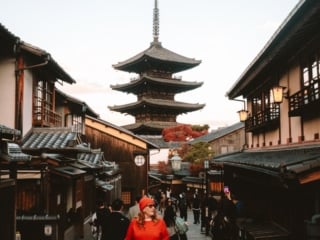
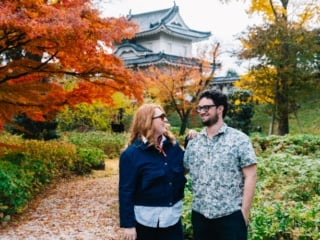
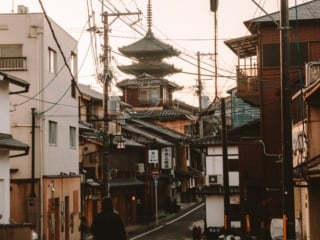
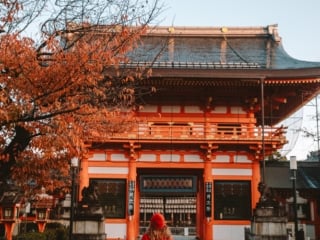
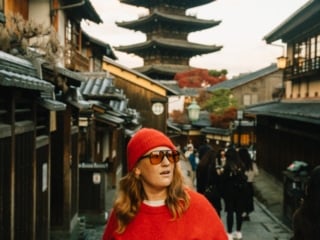
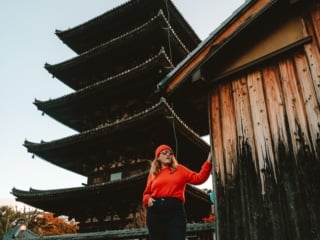
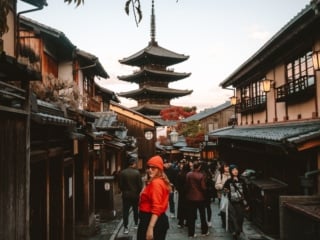
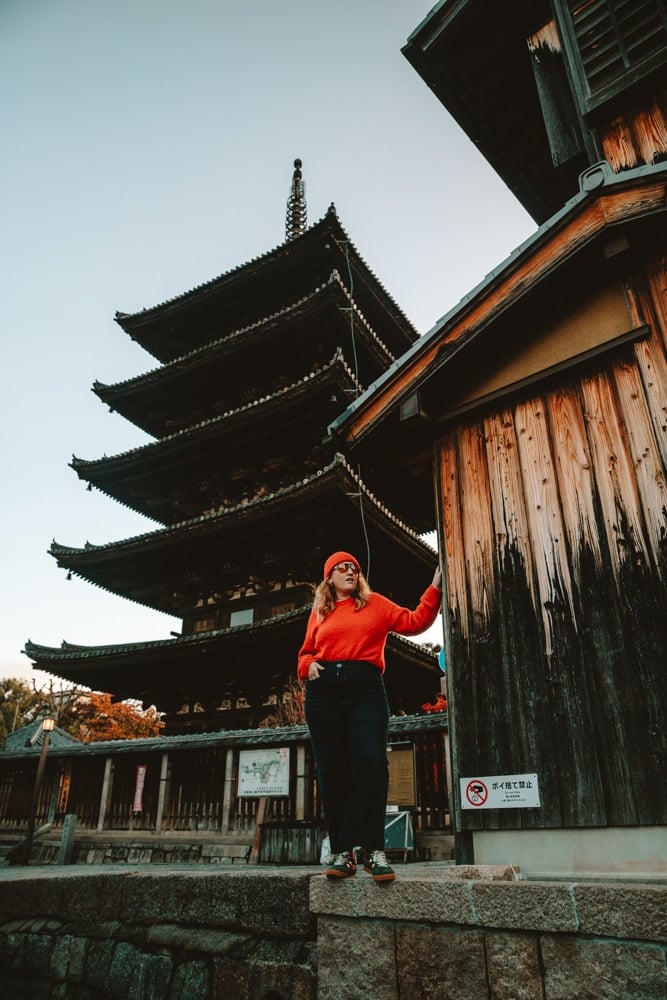
Robin and I headed out around 7am to photograph the famous Yasaka Pagoda, that iconic street you constantly see on Instagram with the temple rising up in the background. It was already busy, but manageable at that hour. Right after, we walked through Yasaka Shrine while it was still quiet and the fall colors were going off. This was one of those moments where Kyoto finally slowed my brain down.
We grabbed breakfast from a 7-Eleven. No shame. Japanese convenience store food absolutely slaps and it’s the fastest way to get moving in the morning.


Late Morning: Fushimi Inari Taisha
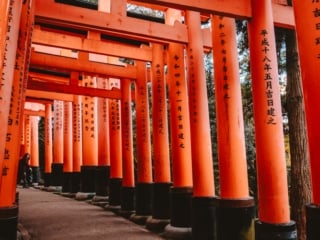
Around 10am we met our friends and headed to Fushimi Inari Taisha, the head shrine of Inari. Yes, the crowds were intense by 10:30am. Next time I’d go closer to 8am. But here’s the real tip: keep walking.
Most people stop after the first few hundred red torii gates and turn back around. If you continue the climb, the crowds thin out dramatically. It took us about 45 minutes to reach the top with photo stops, and the views up there with a fraction of the people made it completely worth it.
Things I wish I’d known before visiting Fushimi Inari:
- Bring cash for offerings and fortunes
- Wear bug spray in warmer months (I hear it gets intense)
- Leave tokens at the smaller shrines along the way
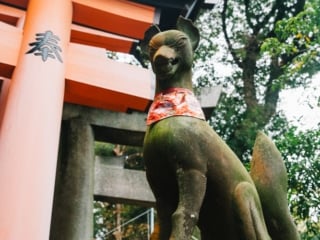
- Look for the fox statues everywhere. This shrine is dedicated to the fox kami
- Look for the shop with cats at the top. We spotted a few Nekos hanging around the shrines and it made the whole thing feel more special


Afternoon: Nishiki Market and Kawaramachi Shopping
The boys went back to the hotel to rest, but Amy and I walked to Nishiki Market for lunch. Sushi and beer, wandering stalls, zero rush. Exactly the vibe I needed mid-trip.
Afterward, we explored the Kyoto-Kawaramachi area. Two highlights worth planning around:
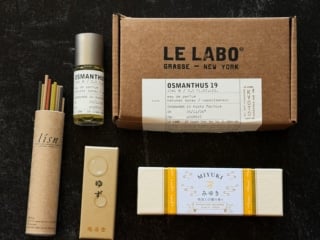
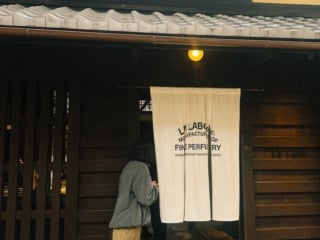
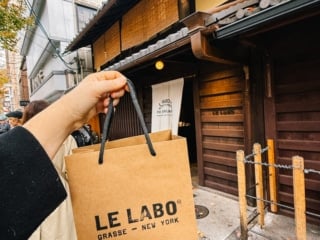
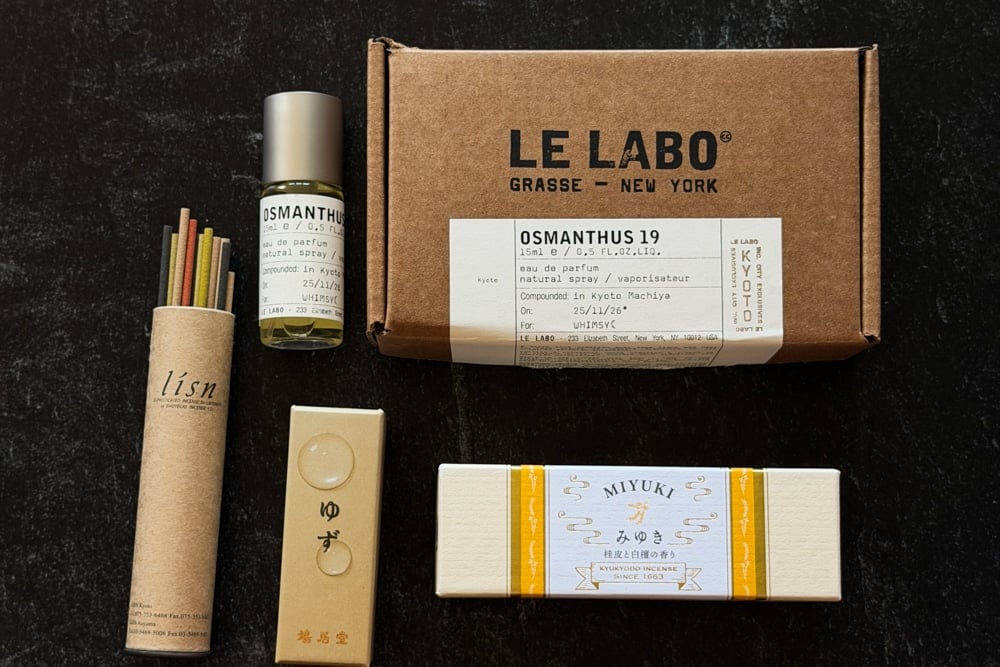
- Le Labo Kyoto for their exclusive scent, OSMANTHUS 19. Go early, bring your passport, and plan a full hour for production. I’m a fragrance nerd and this was one of my absolute favorite stops in all of Japan.
- Kyukyodo for incense and stationery. Beautiful shop, beautiful things, dangerous for your wallet.
Night: Kiyomizu-dera Autumn Illumination and Onsen
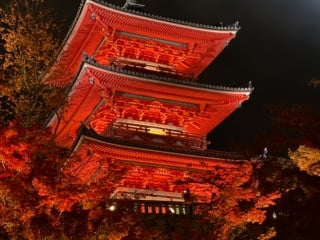
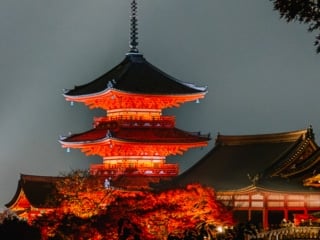
That evening, Robin and I visited Kiyomizu-dera, a UNESCO World Heritage temple, during their autumn illumination. It cost 500 yen and was actually magical in the most specific, non-vague sense: the temple lit up against fall foliage in the dark. A specific kind of beautiful that doesn’t translate to photos.
If you’re visiting outside illumination season, get to this temple before 5pm. The daytime version is still great, just different.
When I got back to Granbell, I slipped into the onsen to let my sore body recover after walking all day. Quick note if you haven’t used an onsen before: you enter nude, it’s separated by gender, and there are lockers and a required shower area before you get into the hot water.
Many onsens don’t allow tattoos, so bring tattoo tape to cover them just in case. Granbell Kyoto’s onsen does allow tattoos, which is worth knowing ahead of time.


Day 3 Kyoto Itinerary: Osaka Day Trip and Kyoto Nights
Morning: Day Trip To Osaka
We used our Suica cards to take a day trip to Osaka, about 35 minutes away by train. We intentionally chose to spend more nights in Kyoto and take day trips rather than checking in and out of hotels every two days. I’d recommend this approach to anyone, especially if you hate the drag of moving luggage.
Osaka felt friendlier and more lived-in compared to Kyoto’s tourist zones. Our highlights:
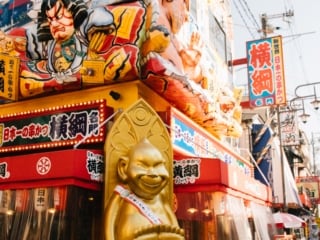
- Den Den Town and Billiken statues
- Curry Pringles at the Pringles store (I know, I know, but also: you have to)
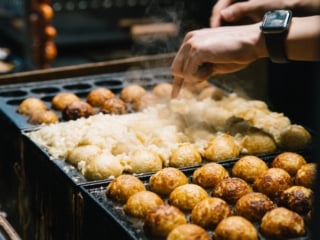
- Goonies for takoyaki. Cash only, ponzu and green onion, best of the entire trip
- Kuromon Market
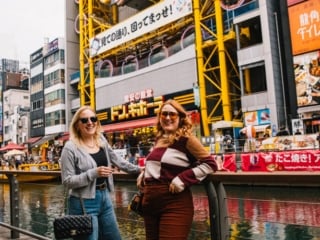
- Dotonbori canal, which I wish we’d seen at night
Next trip I’m coming to Osaka in the evening. I have a feeling the neon signs and energy will be a completely different experience after dark.


Afternoon: To-ji Temple near Kyoto Station
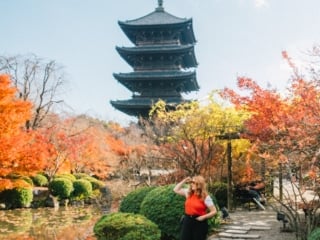
On your way back to Kyoto, your train will pass near To-ji Temple and it’s worth the 15-minute walk. It’s a huge five-story pagoda with a garden and massive Buddha statues inside. Cash only to enter, and bring coins for offerings. You can actually walk around the base of the pagoda, which felt really special and not something I expected to be able to do.
Evening: Pontocho Bar Hopping
Robin and I went bar hopping in Pontocho this evening. Bar Shimon was our favorite: second floor, mostly locals, antique glassware, and incredible cocktails. The bartender casually mentioned a geiko had rented the back room for later that night. Kyoto flex.
This is one of the best things to do in Kyoto at night if you don’t want club energy. Most tourists stick to ground-floor bars, so my tip is to look up. Second-floor bars are where it gets good.
And skip Bar Momo. I know TikTok makes it seem like a must, but the line is insanely long no matter the day of the week. There are far better spots here to spend your time.


Day 4 Kyoto Itinerary: Tea Ceremony, Castle, Culture, and Street Food
Morning: Traditional Tea Ceremony
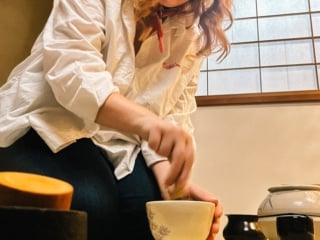
I booked a traditional Japanese tea ceremony with Aya Ito through Airbnb Experiences. She’s been practicing Sadō for over 40 years. The session lasted about an hour and took place in her home. We learned hand placements, how to whisk matcha properly, and the meaning behind each step in the ceremony.
This was one of the most grounding experiences of the entire Japan trip. If you want to do one actually meaningful cultural thing in Kyoto, book this.


Midday: Nijo Castle
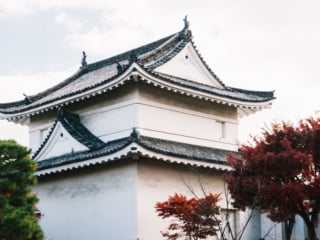
We walked a few blocks to Nijo Castle, another UNESCO World Heritage site. Get the interior pass. Hearing the nightingale floors creak and squeak beneath your feet while walking through the palace is one of those things that sounds gimmicky until you’re actually there and you realize the whole floor was engineered to alert guards of intruders. The history hits differently when you’re standing in it.
Evening: Gion Corner and Street Food
Amy and I attended the Gion Corner show, a 50-minute introduction to Kyoto arts. The maiko dance alone made it worth booking tickets in advance. If you get to Hanamikoji Street early enough before the show, you might catch a glimpse of a real geisha in the streets. We did, briefly, and it was one of those moments where you go very quiet.
We met the boys near Pontocho for dinner, which ended up being a tiny street hot dog stand literally called “Hot Dog.” This became one of our favorite meals of the whole trip. We hadn’t planned it, we just found it, and we ended up standing in the street with some locals our age, drinking beer and eating egg hot dogs and laughing. That flavor of unplanned magic is why I travel.


Day 5 Kyoto Itinerary: Golden Pavilion, Imperial Palace, Incense Shopping, and One Last Night Out
Morning: Golden Pavilion (Kinkaku-ji)
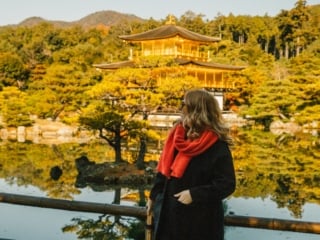
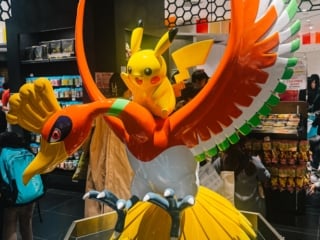
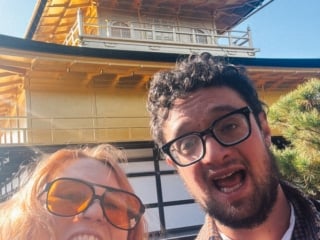
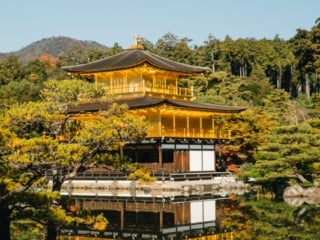
The Golden Pavilion is famous for a lot of reasons, but we specifically wanted to visit because it was the inspiration for Pokémon’s Ho-Oh. There’s a golden phoenix on top of the palace and Robin and I were so giddy about it.
It’s all self-guided, and the park takes about 30 minutes to walk through since it’s not huge. We arrived around 9:30am and it was already packed. Next time I’d aim for closer to opening or sunset. Cash only to enter, and bring extra yen for offerings.


Midday: Kyoto Imperial Palace and Gardens
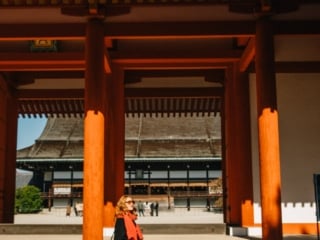
The Kyoto Imperial Palace and Gardens are completely free to enter and one of the better resets after a crowded morning. The park is beautiful. You can’t go inside the buildings, but walking the grounds felt spacious and calm in a way that’s rare in Kyoto’s more popular spots.
One note: Robin and I wanted to visit the garden teahouse inside the park for lunch and realized too late that it’s only open Thursday through Saturday. Plan accordingly so you don’t have the same sad moment we did standing in front of a closed teahouse.
Afternoon: Lisn Incense Shopping
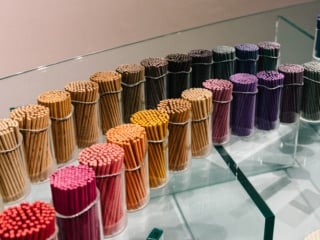
Japan makes some of the best incense in the world, and Lisn was such a fun stop. They carry over 150 scents and you build your own bundle. Robin picked five favorites and stocked up. We already wish we’d bought more, and I am not exaggerating even a little.


Evening: Wagyu Burgers, Pokémon Shopping, and One Last Round at Pontocho
For dinner, Robin was craving a wagyu burger so we headed to Shogun Burger in Gion. Casual fast-food style seating, craft beer, stellar food. Pricey but worth doing once.
After, we ended with more Pokémon shopping (no regrets) and then drinks at Beer Bar Miyama 162. Craft beer, rock music videos, actually great vibes. We planned for one drink and stayed for three. A fitting way to close out five days in Kyoto.


Optional Add-Ons: Nara Half Day Trip or Arashiyama Bamboo Forest
If you have extra time or want to swap something out, these two are worth considering.
Nara Half Day Trip
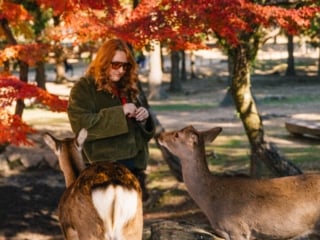
Robin and I chose Nara for our day trip from Kyoto because it’s been on my bucket list for years (deer park, obviously). A few things to know before you go:
- Deer are everywhere and they will find you
- Bring cash for deer crackers, which are 200 yen each
- Walk deeper into the park for calmer deer and fewer crowds
- Be mindful of antlers, especially in rutting season
- Wear something with pockets you can close, because the deer will absolutely stick their faces in your bag looking for crackers
The iconic Five-Story Pagoda at Kofukuji Temple (a UNESCO World Heritage site) was under renovation when we visited in November 2025, but if it’s open when you go, step inside. For lunch, we ate at a restaurant in the train station, which made it easy to head straight back to Kyoto after.


Arashiyama Bamboo Forest
We skipped Arashiyama this trip but it’s high on the list for next time. Go early in the morning to beat the crowds. Pair it with:
- Tenryu-ji, a Zen temple and World Heritage site
- Katsura River and Togetsukyo Bridge
The bamboo grove itself is short, so building a full walking day around the Arashiyama neighborhood will make the trip feel a lot less rushed.


Where To Eat In Kyoto (Real Picks, Not Just Lists)
This section is split into two parts: places we personally ate, and a handful of top-rated spots that kept coming up in local recommendations and food guides that I’d want to try on a second trip. I’m flagging the difference so you know what’s firsthand and what’s curated.
Places We Actually Ate
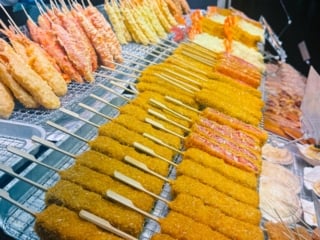
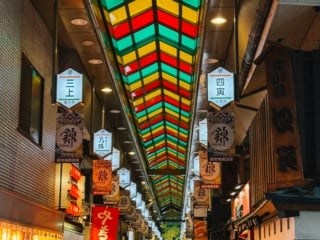
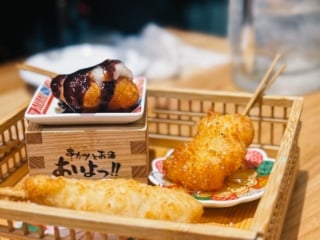
- Nishiki Market: Snack your way through lunch. Tuna nigiri, tamago on a stick, croquettes, and mochi were our favorites. This is one of the best casual meals you can have in Kyoto.
- Aiyo! Kawaramachi Branch: All-you-can-eat-and-drink apps. Fun with friends, fine food, not a must-repeat for me personally.
- Street Hot Dog Stand near Kohaku: Cash only, loaded hot dogs, locals hanging out. One of those accidental meals that becomes a highlight.
- Shogun Burger: Tourist-friendly wagyu burger spot that’s actually very good. Pricey, but worth it once.
- Bar Shimon: Intimate Pontocho bar with incredible cocktails and mostly locals. Calm, polished, no TikTok chaos. Go upstairs.
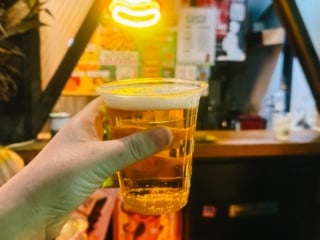
- Beer Bar Miyama 162: Local craft beer, unexpectedly fun music videos, great vibe. We stayed longer than planned.
- 丸福 三条店: Classic izakaya on Sanjo Shopping Street with some of the best sushi we had all trip.
- SD トムヤムクン: Thai restaurant we hit when we needed a real break from Japanese food. No shame in that.
- Le Labo Cafe: Some of the best matcha is quietly hiding in here alongside the perfume shopping.
Top-Rated Kyoto Restaurants Worth Bookmarking
These are places I haven’t personally tried but that kept coming up consistently in local guides, food forums, and recommendations from people who actually live in Kyoto. Worth adding to your research list:
- Kikyo Sushi: Small, intimate sushi bar in central Kyoto known for ultra-fresh nigiri. Reservations strongly recommended.
- Tajimaya Shijo Kawaramachi: Grill-your-own wagyu in a lively setting. Approachable pricing and a really fun dinner.
- Chuka-Soba Rantan: Regularly ranked among the best ramen in Kyoto. Deeply flavored broth and serious repeat fans.
- Wagyu Restaurant Bungo: Upscale wagyu specialist in Gion that still feels relaxed. Good choice for a splurge night.
- Goichi Pizza: Wood-fired pizza with long lines and a strong local following. Ideal when you need a palate break.
- Okonomiyaki Katsu: Tiny counter-style spot often ranked among Kyoto’s best cheap eats. Hearty and memorable.


Practical Travel Tips for Visiting Kyoto for the First Time
- Buses are often faster than trains in Kyoto. Always check both on Google Maps before you commit to a route.
- Bring cash everywhere. Temples, shrines, small restaurants, and most bars are cash-only.
- Don’t try to see every temple. Pick a few and actually be present in them. Temple fatigue is real and it will sneak up on you by day three.
- Cherry blossom season and fall foliage bring heavy crowds. Arrive at popular spots earlier than you think you need to.
- Reservations for parties larger than two are hard to grab. Start booking cultural experiences like tea ceremonies and cooking classes before you leave home.
Kyoto Travel FAQ
How many days do you need in Kyoto?
For a first visit, 4 to 6 days in Kyoto is the sweet spot. A 3 day Kyoto itinerary works if you’re truly short on time, but it feels rushed. With 5 days, you can hit major temples, explore neighborhoods like Gion and Pontocho, have at least one slower cultural experience, do a day trip, and not completely destroy your legs.
Is Kyoto worth visiting on your first trip to Japan?
Yes, and I’d argue it’s essential. Kyoto offers a completely different experience from Tokyo. It’s quieter, more traditional, and focused on temples, historic neighborhoods, and a slower pace. If this is your first time in Japan, Kyoto adds cultural depth that balances out Tokyo’s energy in a way that makes the whole trip feel more complete.
What’s the best time of year to visit Kyoto?
Spring and fall are the most popular, and for good reason. Cherry blossom season runs late March through early April. Fall foliage peaks in mid to late November and is beautiful across temples and parks. We visited in November 2025 and the colors were incredible. Summer is hot and humid. Winter is colder but less crowded, and Kyoto in the quiet cold has its own appeal.
Is Kyoto easy to get around without a car?
Yes. Kyoto is walkable in the central areas, and public transit fills in the rest. Buses cover a lot of ground where trains don’t go, especially around temples. I used Google Maps constantly and found it accurate for routes, timing, and station exits.
Should I stay near Kyoto Station or Gion?
Kyoto Station is more convenient for transit and day trips but feels less atmospheric. Gion works best if you want evening walks, traditional streets, and easy access to temples and nightlife. For first-time visitors, Gion made the trip feel more special. I’d start there.
Do you need reservations for temples in Kyoto?
Most temples and shrines don’t require reservations. You show up, pay the entrance fee, and go. Exceptions are seasonal night illuminations and special experiences like tea ceremonies, which should be booked well in advance, especially during cherry blossom and fall foliage seasons.
Is Fushimi Inari worth it and when should you go?
Yes, it’s worth it, but timing matters a lot. Go before 9am if you can. Most people stop after the first section of torii gates and turn back. Keep climbing. The crowds thin out significantly the higher you go, and the top is a completely different experience from the entrance.
Can you do Osaka as a day trip from Kyoto?
Yes, easily. Osaka is about 35 minutes by train and makes a great day trip. That said, Osaka really shines at night. If you only have one day there, you’ll miss some of the neon and nightlife energy. If you can swing an overnight, do it.
Is Kyoto expensive compared to Tokyo?
Kyoto can be slightly more affordable for food and lodging, especially outside peak seasons. Temple entrance fees are usually modest (most run 500 to 1,000 yen). Food ranges from cheap street eats to high-end kaiseki, so your actual costs depend entirely on how you plan your days.
What should you wear when visiting temples and shrines?
Comfortable walking shoes are non-negotiable. Dress modestly: cover shoulders, avoid very short skirts. Layers are essential in fall and winter since mornings can get really cold while afternoons warm up. I wore a lot of the same thing I’d wear hiking.
Do you need cash in Kyoto?
Yes. Cards are more accepted than they used to be, but many temples, small restaurants, markets, and bars are still cash-only. Always carry yen and use ATMs at convenience stores (7-Eleven and Lawson are the most reliable) when you need a refill.
Is the JR Pass worth it for a Kyoto trip?
It depends on your itinerary. The 14-day ordinary JR Pass runs around 80,000 yen and can be purchased online before you leave home. For a Tokyo-Kyoto-Osaka trip with day trips included, it often pays for itself. If you’re only staying in one or two cities, do the math first. One important note: the Nozomi and Mizuho bullet trains are NOT covered by the JR Pass. Use the Hikari or Sakura trains on the Shinkansen line and you’re fine.
Final Thoughts on This 5 Day Kyoto Itinerary
Kyoto isn’t about checking boxes. It’s about rhythm.
Some days were temple-heavy. Some were food-forward. Some were just wandering streets until something pulled us in. That balance is what made this trip work, and I think it’s what will make yours work too.
If you’re planning your first visit to Kyoto, let this be your reminder: you don’t need to see everything. You just need enough time to notice where you are. Five days gave us that, and I’d do it the same way again.
Have questions about any of this, or planning your own trip to Kyoto? Drop them in the comments below. I read every single one and will do my best to help.